Islamic Law on Disposing of Plastic Waste
Plastic waste is increasingly becoming one of the most significant environmental challenges of our time. In Indonesia, approximately 64 million tons of plastic waste are generated annually, with only 10% being recycled. The resilient nature of plastic makes it very persistent in the environment.
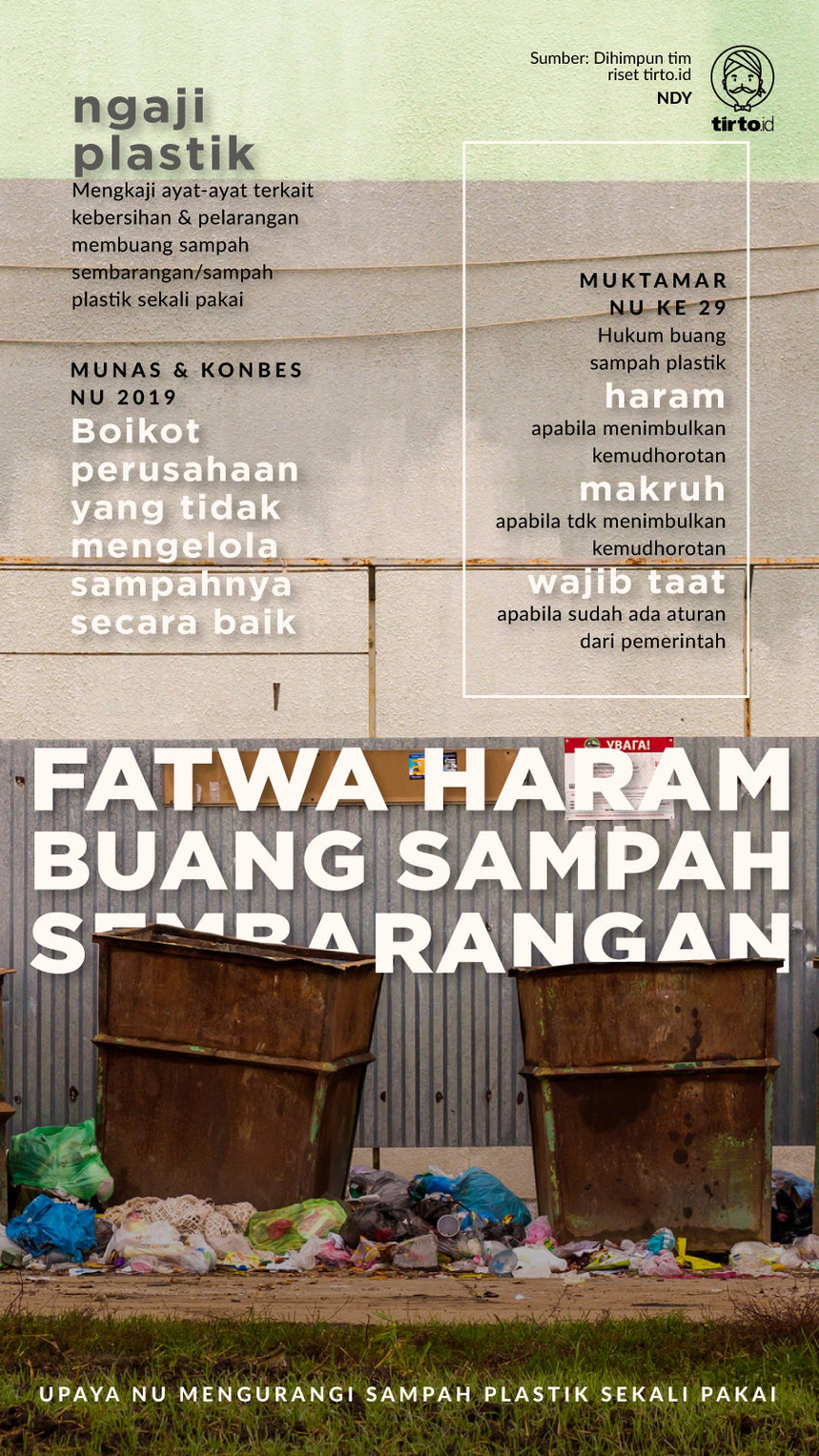
The Islamic organization ‘Nahdlatul Ulama’ (NU) has responded to these growing issues by declaring the improper disposal of plastic waste as haram (forbidden). According to the book ‘Fiqih Penanggulangan Sampah Plastik,’ this issue is given significant attention.
There are several reasons why Islamic scholars consider this action haram. Firstly, plastic waste contaminates water and soil, which can lead to various diseases in humans and animals. Secondly, they can damage ecosystems by blocking waterways and causing floods, disrupting the natural balance and threatening the lives of creatures living in it.
In addition to religious teachings, causing harm to others or the environment is forbidden. This aligns with Islamic principles focusing on environmental protection and justice in all actions.
The members of ‘Nahdlatul Ulama’ urge Muslims and others to act more responsibly with their waste. The organization calls on the government and the public to make efforts to tackle the plastic waste issue through recycling and mindful consumption.
Islam emphasizes the importance of not only prohibiting harmful actions but also correcting and mitigating the effects of pollution. This approach demonstrates a commitment to caring for nature, which is essential for the well-being of current and future generations.