Regulatory Compliance: How to Meet the New Environmental Requirements Under GR 28/2025

GR 28/2025 in Indonesia: How Businesses Can Comply with the New Environmental Requirements
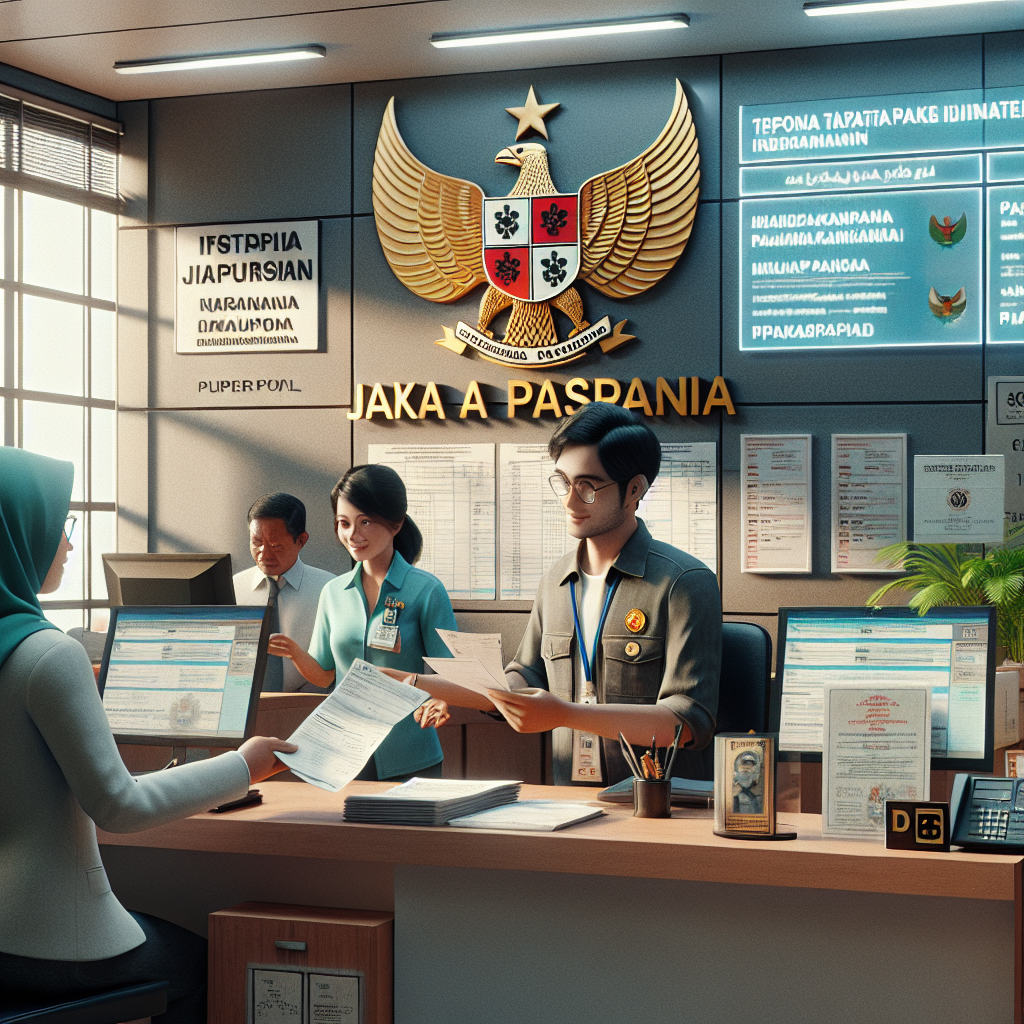
As of August 1, 2025, Government Regulation No. 28/2025 (GR 28/2025) has officially come into effect in Indonesia, replacing the previous GR 5/2021. This regulation significantly overhauls the business licensing process, enforcing stricter environmental compliance standards and enhancing procedural transparency via the OSS (Online Single Submission) system.
GR 28/2025 applies equally to foreign investors and local entrepreneurs. Non-compliance may result in the suspension or revocation of licenses, making legal adherence a critical condition for operating any business in the country.
Why GR 28/2025 Matters to You
This regulation is especially relevant for companies operating in industries classified as medium or high environmental risk. You should pay close attention to GR 28/2025 if your business operates in sectors such as:
- Construction and real estate;
- Hospitality and resorts (including ecotourism);
- Agriculture (e.g., palm oil or coffee plantations);
- Manufacturing, especially those generating emissions or waste;
- Mining and building materials extraction;
- ESG investments and green financing initiatives.
If you're planning an investment in Indonesia, environmental assessment is not just a procedural formality — it's a mandatory step in legally entering the market.
What Is GR 28/2025 and What Is Its Objective?
GR 28/2025 governs business licensing based on risk assessment. The aim of the reform is to enhance manageability in the investment process by:
- Reducing unnecessary bureaucratic burdens;
- Digitalizing procedures through the OSS platform;
- Aligning national standards with international benchmarks for environmental sustainability;
- Minimizing corruption risks through a centralized portal and automated verification of documentation.
The regulation is mandatory for all new business ventures and for major modifications to existing projects.
Environmental Compliance: A Prerequisite for Licensing
One of the key requirements under GR 28/2025 is prior environmental approval. This clearance is necessary before completing any registration process within the OSS system.
Depending on the risk category of the project, the following documents are required:
- AMDAL (Analisis Mengenai Dampak Lingkungan) — a comprehensive Environmental Impact Assessment;
- UKL-UPL (Environmental Management and Monitoring Efforts) — for medium-risk activities;
- SPPL (Statement of Environmental Management and Monitoring Readiness) — for low-risk projects.
All documentation must be submitted to and approved by the Ministry of Environment and Forestry of Indonesia and then integrated into the OSS platform at the application stage.
Step-by-Step Business Licensing Process Under GR 28/2025
The licensing process has been restructured to follow a precise sequence of compliance steps.
Step 1. Spatial Zoning Compliance (KKPR)
Obtain a zoning compliance confirmation aligned with the Regional Spatial Utilization Plan (Kesesuaian Kegiatan Pemanfaatan Ruang).
Step 2. Environmental Assessment
Identify the environmental risk category of your project. Based on this, either AMDAL, UKL-UPL, or SPPL documentation will be required.
Step 3. Building Approval (PBG)
PBG (Persetujuan Bangunan Gedung) has replaced the former IMB permit. This document authorizes construction in accordance with the approved plan.
Step 4. Certificate of Feasibility (SLF)
SLF (Sertifikat Laik Fungsi) certifies that the building is fit for use and compliant with regulatory standards.
Step 5. OSS Registration and NIB Issuance
All documents must be submitted via the OSS portal. Once validated, the system issues a Business Registration Number — NIB (Nomor Induk Berusaha).
How the OSS System Enforces Environmental Compliance
OSS (Online Single Submission) is a centralized digital system for filing, processing, and verifying all permits through one online portal. Every step in the licensing process, including environmental clearance, is monitored in real time.
If any critical component — such as AMDAL or UKL-UPL — is not approved, the system will block further processing. This makes non-compliance not only risky but virtually impossible under the automated checks of the OSS.
Consequences of Non-Compliance with GR 28/2025
Failure to meet environmental standards now carries legal and operational consequences:
- License revocation, even after it has been issued via OSS;
- Fines and temporary suspension of operations at both provincial and national levels;
- Loss of access to public tenders and investment incentives;
- In certain cases, violations may fall under other laws, including criminal liability for environmental damage.
According to Map Resources Indonesia, over 600 licenses were revoked in 2024 due to missing or falsified environmental documentation.
Conclusion: Environmental Compliance as the New Business Norm
GR 28/2025 is a game-changer in Indonesia’s business environment. It’s more than a bureaucratic update — it’s a strategic initiative driving sustainable development, digital governance, and environmental protection.
Environmental compliance is no longer an optional requirement — it's a core component of sound business strategy. Failing to meet these standards leads to real financial losses and reputational damage.
If you're planning to launch or expand your business in Indonesia, start with an environmental and spatial assessment. This will save months of delays and provide a solid legal foundation for your operations.
To operate efficiently within this new regulatory landscape, seek guidance from legal or environmental consultants experienced with GR 28/2025 and the OSS framework.
Note: The full text of GR 28/2025 is available on Indonesia’s official regulatory portal at peraturan.go.id.
Commonly Used Keywords:
- GR 28/2025 Indonesia
- environmental requirements for businesses in Indonesia
- environmental compliance
- OSS license process
- AMDAL, UKL-UPL, SPPL