Myths About Indonesia: Sharia Law, Poverty, and Jungle Life — What's True?
5 Myths About Indonesia: From Sharia Law to Taxes — What’s True and What’s Not?
Indonesia is the largest country in Southeast Asia, spread across thousands of islands, rich in culture, fueled by a powerful economy, and known for its unique natural beauty. Despite a growing influx of tourists and digital nomads, countless stereotypes about the country still circulate. This article aims to debunk some of the most common myths about Indonesia — from concerns about Sharia law to assumptions of impenetrable jungles and widespread poverty.
Who this article is for: travelers, expats, investors, and anyone interested in getting an accurate picture of Indonesia.
Myth 1: Indonesia Is Governed by Sharia Law
Fact: Sharia law is officially implemented only in Aceh Province
It’s true that Indonesia is home to the world’s largest Muslim population — over 230 million people. However, that doesn’t mean the country is governed by Islamic law. Across the nation, secular legal codes are in place. Formal Sharia-based laws are applied only in one province — Aceh, located in the northwestern region of Sumatra.
Aceh was granted the right to partially implement Islamic law under a peace agreement in 2005 following years of conflict between the central government and the separatist movement GAM (Gerakan Aceh Merdeka).
What does this mean in practice?
- Outside of Aceh, Sharia law is not legally enforced on anyone — locals or foreigners.
- Even within Aceh, Sharia-based laws do not apply to tourists or foreign residents.
- Key legal matters — marriage, divorce, inheritance, and civil disputes — are governed by secular Indonesian law, such as the Civil and Family Codes.
Indonesia is officially a secular state, rooted in legal pluralism and religious tolerance.
Myth 2: Indonesia Is One of the Poorest Countries
Fact: Poverty levels are at a historic low and continue to decline
The common belief that Indonesia is overwhelmed by poverty doesn’t reflect current realities. According to the Central Statistics Agency (BPS), as of 2024 the poverty rate stands at 6.7% — a historic low over the past two decades. For context, in 2000, it was above 19%.
Source: BPS Indonesia
Reasons for improvement:
- Consistent economic growth, with a GDP around $1.4 trillion (World Bank data);
- Strong investments in education and digital transformation (including startups, fintech, IT);
- Enhanced transportation and social infrastructure in many regions;
- Government subsidies for underdeveloped areas and increased regional decentralization.
93.3% of Indonesians live above the official poverty line. Regional disparities remain — for instance, income levels in Bali or Jakarta are significantly higher than in Papua or the Moluccas — but such differences are typical in any large country.
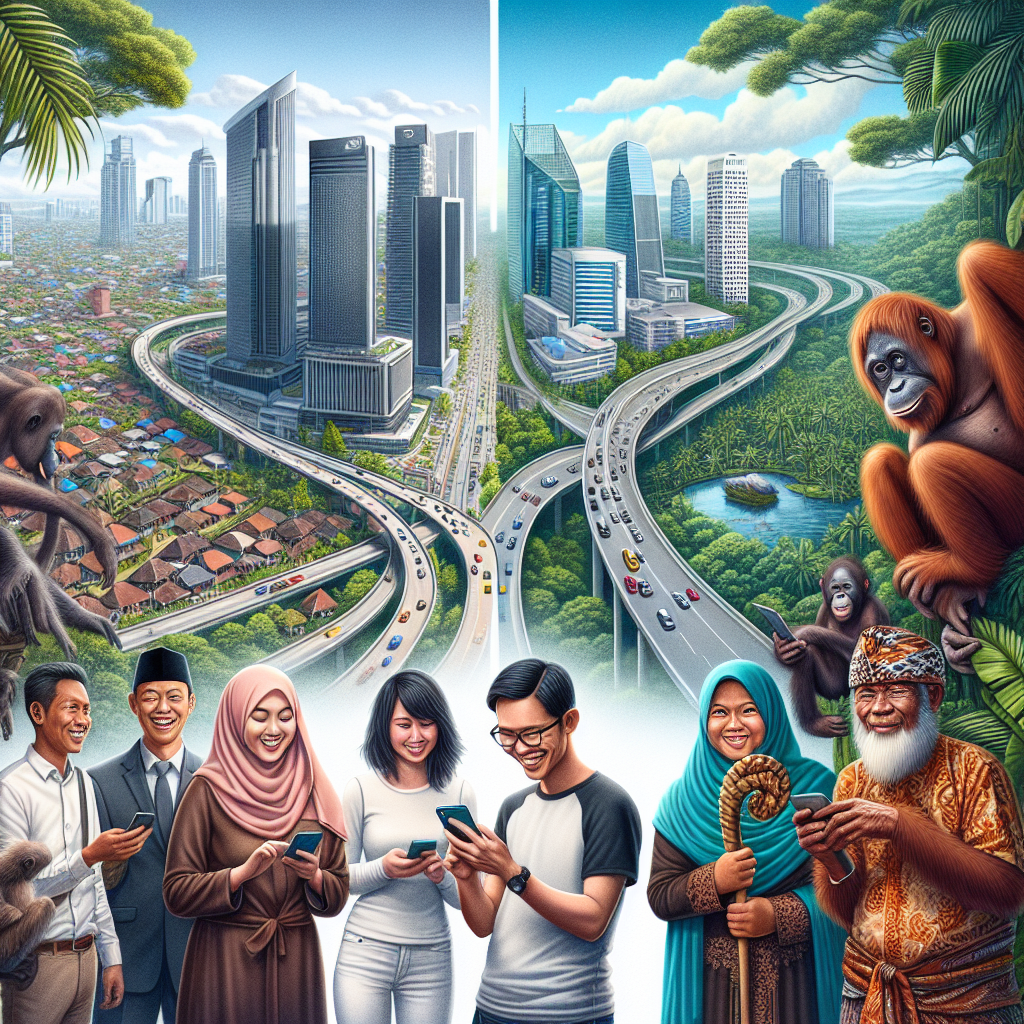
Myth 3: Indonesia Is All Jungle and No Civilization
Fact: Indonesia blends natural wonders with modern infrastructure
The popular depiction of a “wild Indonesia” full of dense forests, volcanoes, and wild animals tells only part of the story. Yes, the country is a global leader in biodiversity, home to orangutans, Sumatran tigers, and Komodo dragons. But modern Indonesia also offers:
- Urban growth: As of 2022, more than 57% of Indonesians lived in urban areas. Major metros include Jakarta, Surabaya, Bandung, and Medan;
- Transportation and connectivity: New metro lines in the capital, dozens of international airports, express highways, and ports;
- Digital economy: Indonesia hosts Southeast Asia’s largest startup ecosystem, producing tech giants like Gojek, Tokopedia, and Traveloka.
Forests are unevenly distributed: the largest areas are found in Sumatra, Kalimantan, and Papua. Central islands like Java and Bali are heavily urbanized and rapidly expanding.
Bottom line: Indonesia is a country where pristine nature coexists with modern cities and digital innovation.
Myth 4: Fines and Taxes in Indonesia Are Extremely High
Fact: It’s important to understand the rules — the system is fairly straightforward
📎 Fines for visa violations
The most common infraction is a visa overstay. Even being a single day late can incur a penalty.
- 1,000,000 IDR (approximately $65) per day of overstay;
- If overstay exceeds 60 days, deportation and entry bans may be enforced.
Always monitor your visa or Stay Permit (KITAS/KITAP) validity, especially if you’re a remote worker, freelancer, or startup founder. Up-to-date information is published by the official Indonesian Immigration Office.
📊 Taxes in Indonesia: What Residents and Businesses Should Know
The tax system is straightforward if you understand the basics:
- Personal Income Tax (PPh 21) — progressive rates from 5% to 35%;
- Value Added Tax (PPN) — 11% nationwide;
- NPWP (Nomor Pokok Wajib Pajak) — Tax Identification Number, mandatory for resident taxpayers.
Entrepreneurs and investors may be eligible for tax incentives, particularly in tourism areas, industrial hubs, smart islands, and Special Economic Zones (SEZs).
Important: Both tax and fine systems in Indonesia are transparent. Stay compliant by updating your documentation, keeping transactions clear, and consulting with local legal experts.
Conclusion
Today’s Indonesia is not a land of Sharia law, rampant poverty, or uncivilized jungle; it’s a land of opportunity with a thriving economy, booming digital sector, and vibrant cultural diversity.
Understanding the real situation on the ground is the first step toward successful travel, relocation, or investment. Trust documented facts — not outdated myths.
Indonesia is a country of the future, where you can live, work, and grow safely and meaningfully.