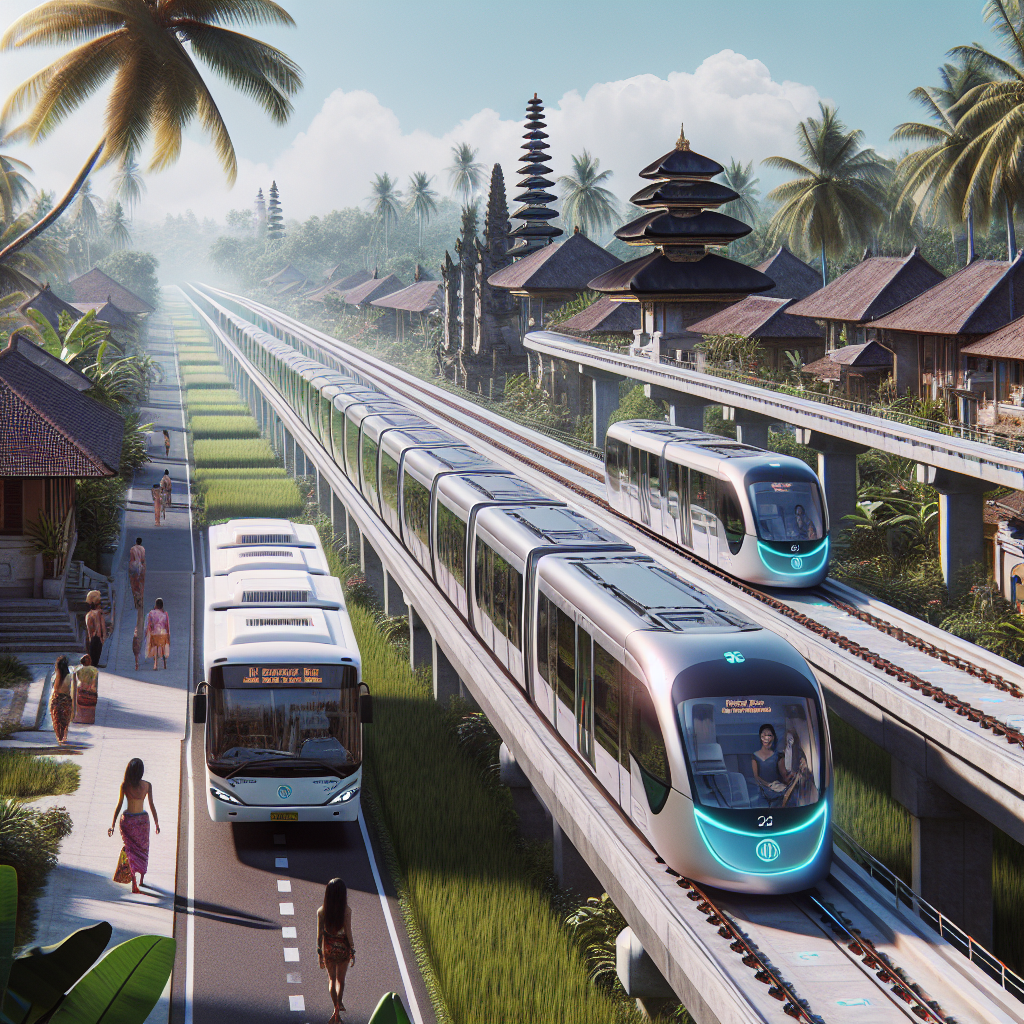
Indonesia Is More Than Just Bali: Economy, Religion, and the Nation's Political System
Indonesia Is More Than Just Bali: Economy, Religion, and the Nation's Political System
Looking Beyond Bali
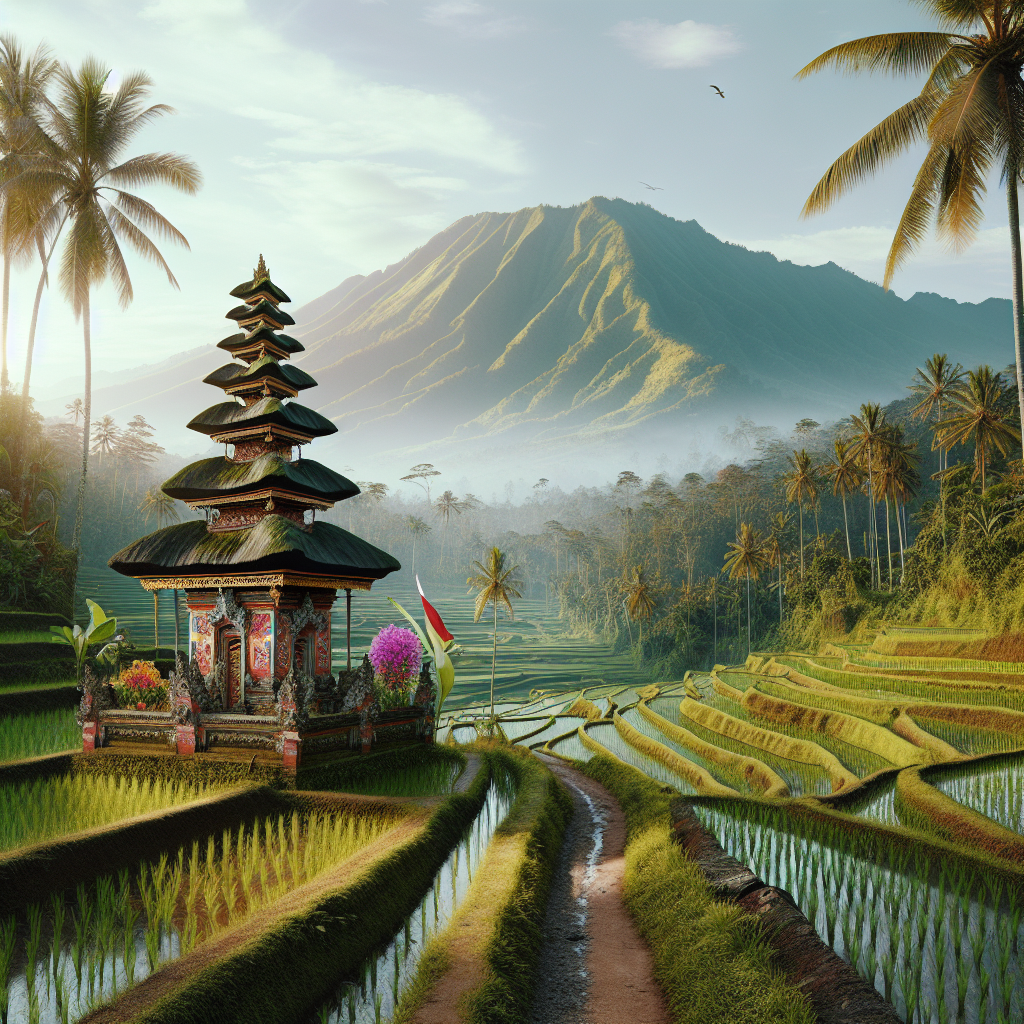
When people think of Indonesia, Bali often comes to mind first—a resort island known for its temples, beaches, and rich Hindu culture. However, the real Indonesia stretches across 17,000 islands, is home to over 270 million people, boasts religious diversity, and supports a rapidly growing economy.
Indonesia is the fourth most populous country in the world and a unitary republic with a decentralized governance structure. To understand the full picture, one must move past tourist stereotypes and explore three essential areas: the country’s economic structure, its religious diversity, and its political system.
Indonesia's Economy: From Natural Resources to Innovation
Key GDP Sectors
According to Indonesia’s Central Bureau of Statistics (BPS), the country’s real GDP grew by 5.05% in 2023. The economy is diversified and consistently expanding:
- Services sector — around 35% of GDP, including trade, tourism, finance, healthcare, and education;
- Manufacturing — approximately 19%, covering textiles, electronics assembly, and raw material processing;
- Agriculture — roughly 13%, including palm oil, rubber, coffee, tea, and spices production.
As the global economy transitions toward low-carbon models, Indonesia is focusing on building a value chain in electric vehicle battery manufacturing. The country holds the world’s largest nickel reserves—a key component in battery production. Government efforts emphasize industrial localization, turning raw materials into high-tech exports.
Export Strategies and Foreign Trade
Indonesia’s average annual export growth over the past five years has stood at about 5%, according to the Ministry of Trade. Major exports include:
- Natural resources (coal, LNG, oil, nickel);
- Agricultural goods (palm oil, cocoa, coffee);
- Manufactured goods (textiles, spare parts, electronics, lithium-ion batteries).
The rise in demand for eco-friendly technologies is making Indonesia attractive not only as a resource supplier, but also as a manufacturing base in the global green economy.
Investment Climate and Government Initiatives
In 2023, the government launched the “Golden Visa” program—offering long-term stay permits (KITAS) for investors and high-skilled professionals. The minimum investment threshold is approximately USD 330,000 (IDR 5 billion).
The state is also advancing the development of Special Economic Zones (SEZs), where investors benefit from tax incentives, simplified regulations, and facilitated infrastructure access. These zones are driving regional growth, especially outside the island of Java.
Religion in Indonesia: Legal Framework and Cultural Pluralism
Legal Foundation
Freedom of religion is enshrined in the Constitution and reflected in the official ideology—Pancasila. While the state is secular, every citizen must declare their religion in their passport and identity card. Atheism is not illegal but is not officially recognized.
The government officially recognizes six religions:
- Islam (about 87% of the population);
- Protestant Christianity;
- Roman Catholicism;
- Hinduism;
- Buddhism;
- Confucianism*.
*Confucianism is not recognized in all regions as a formal religion; more often it is acknowledged as a cultural tradition. Its status may vary depending on the local administration.
Geography of Faith
Religious diversity is deeply rooted in the historical development of the archipelago, shaped by trade routes and colonial influence.
- Java and Sumatra Islands: Islam is dominant, particularly in the western and central regions.
- Bali Island: With a Hindu majority (around 85% of the population), Bali stands out for its cultural uniqueness.
- Eastern Indonesia (Papua, Maluku, Sulawesi): Christianity—both Protestant and Catholic—is the leading faith.
This religious landscape contributes to a complex but stable coexistence, although local tensions can occasionally arise due to cultural differences.
Indonesia’s Political System: Central Authority with Regional Autonomy
Structure of Government
Indonesia is a unitary presidential republic with a democratic multi-party system. President Joko Widodo completed his second term in office in October 2024, and a new head of state was elected in accordance with the constitutional two-term limit.
The president’s responsibilities include:
- Forming and dissolving the cabinet;
- Vetoing legislation passed by the parliament (DPR);
- Conducting foreign policy and appointing ambassadors;
- Appointing justices to the Supreme and Constitutional Courts.
Following reforms that began in 1998 after the Suharto era, Indonesia has prioritized anti-corruption efforts, institutional strengthening, and governance transparency.
Decentralization and Regional Development
Since 2001, a decentralization program has been in place to transfer budgetary and administrative responsibilities to local governments, crucial for supporting remote and developing regions.
Key priorities include:
- Increased fiscal allocations to outer provinces (Papua, Kalimantan, East Nusa Tenggara);
- Infrastructure projects: roads, ports, schools, and hospitals;
- Support for education, healthcare, and digital access in small towns and rural areas.
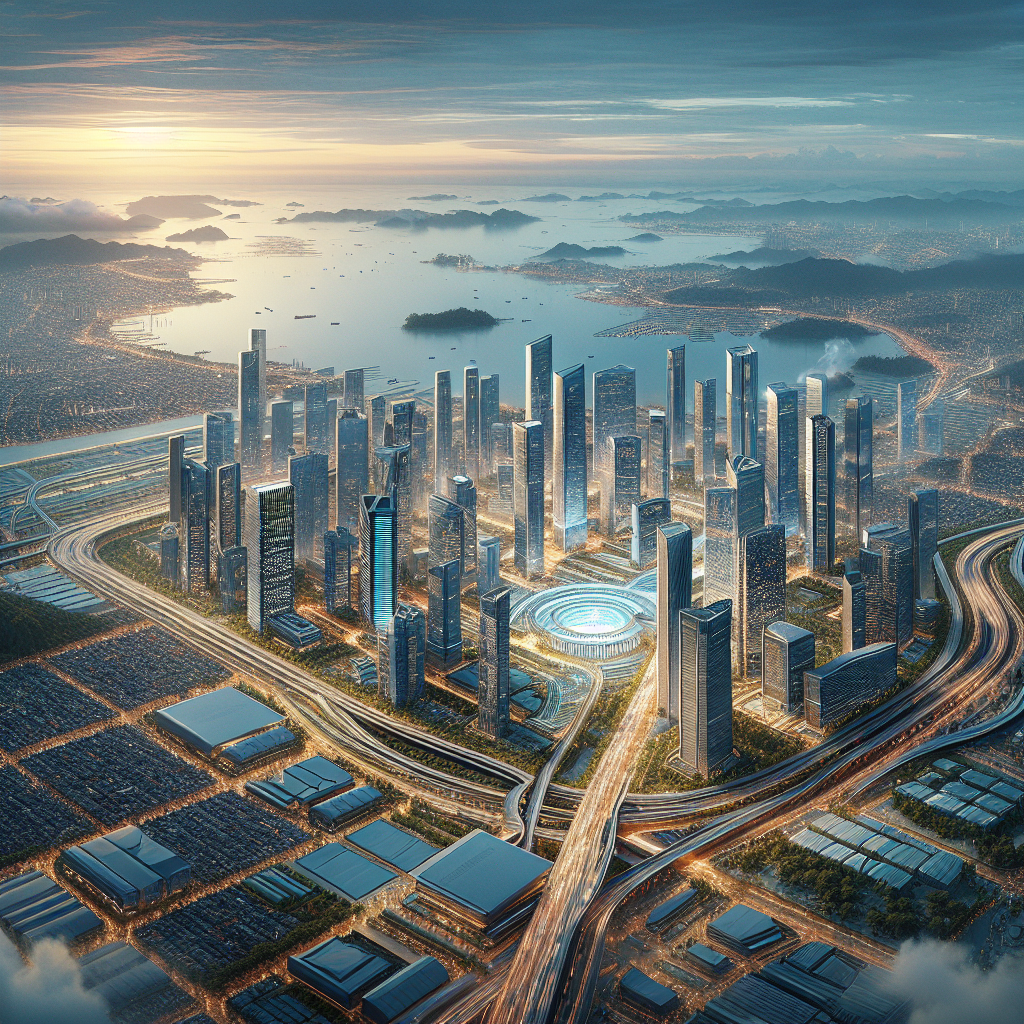
One of the largest initiatives is the construction of a new national capital—Nusantara—on the island of Kalimantan, envisioned as a “city of the future” that symbolizes balanced development beyond the congested Jakarta metropolis.
Conclusion: Indonesia as a Destination for Exploration and Investment
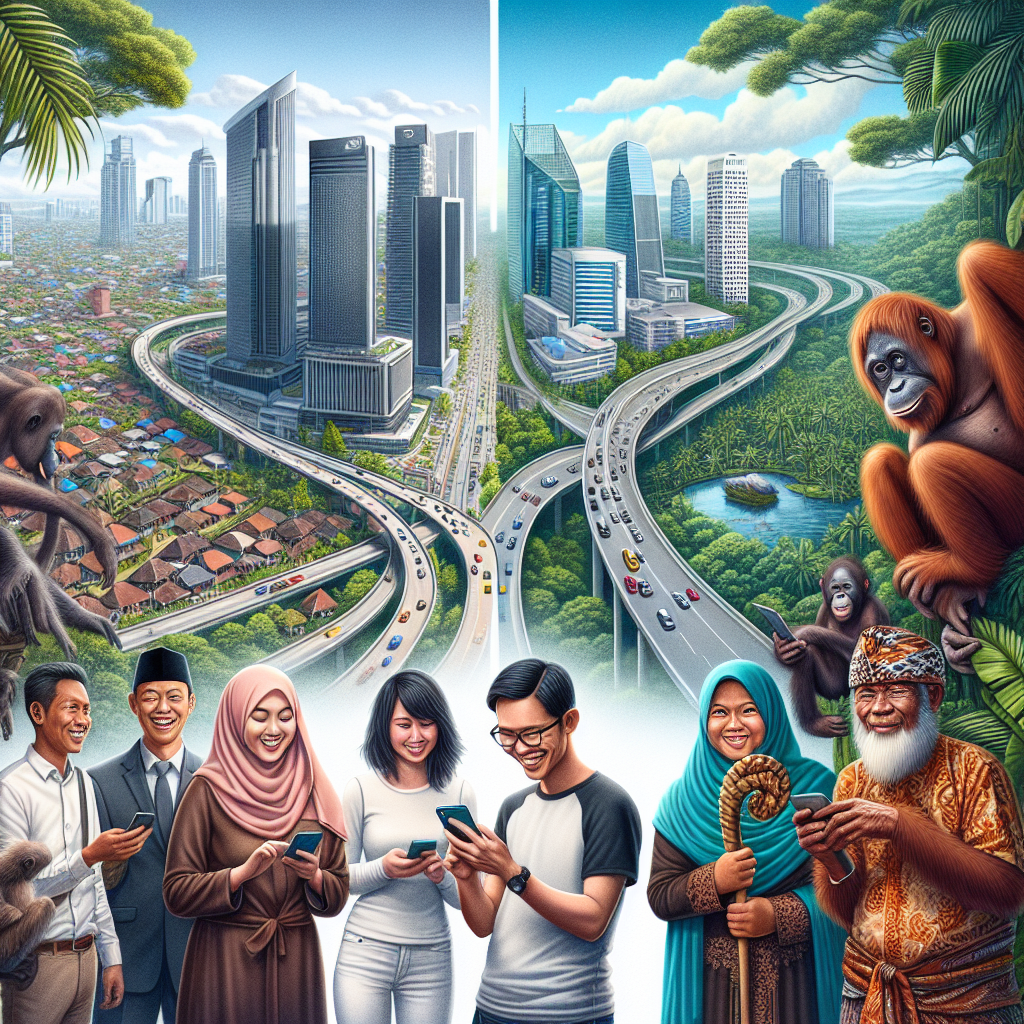
Indonesia is more than Bali’s beaches—it is one of Asia’s most dynamic economies, a rich mosaic of cultures and religions, and a politically stable democracy.
To better understand the country, consider:
- The distribution of economic activity: Jakarta, Surabaya, Bandung, and other major cities;
- The religious landscape: its impact on public life and cultural distinctions;
- Political and administrative trends: the rise of Nusantara, Special Economic Zones, and decentralization.
This holistic approach reveals Indonesia not only as a tourist destination but also as a strategic hub for investment, partnerships, and long-term engagement in Southeast Asia.
{
  "prompt": "A photorealistic aerial view of Indonesia with diverse landscapes representing its multicultural identity — modern Jakarta skyline, green rice fields of Java, Balinese temples near beaches, Christian churches in Papua, and a futuristic city representing Nusantara rising in Kalimantan. Include cultural symbols such as mosques, Hindu shrines, and traditional Indonesian architecture. The composition should highlight economic growth, religious diversity, and political transformation in a harmonious and vibrant visual.",
  "style": "photorealistic"
}