Lombok vs Bali: Is It Worth Investing in the “New Bali” in 2025?

Lombok vs Bali: Is It Worth Investing in the “New Bali” in 2025?
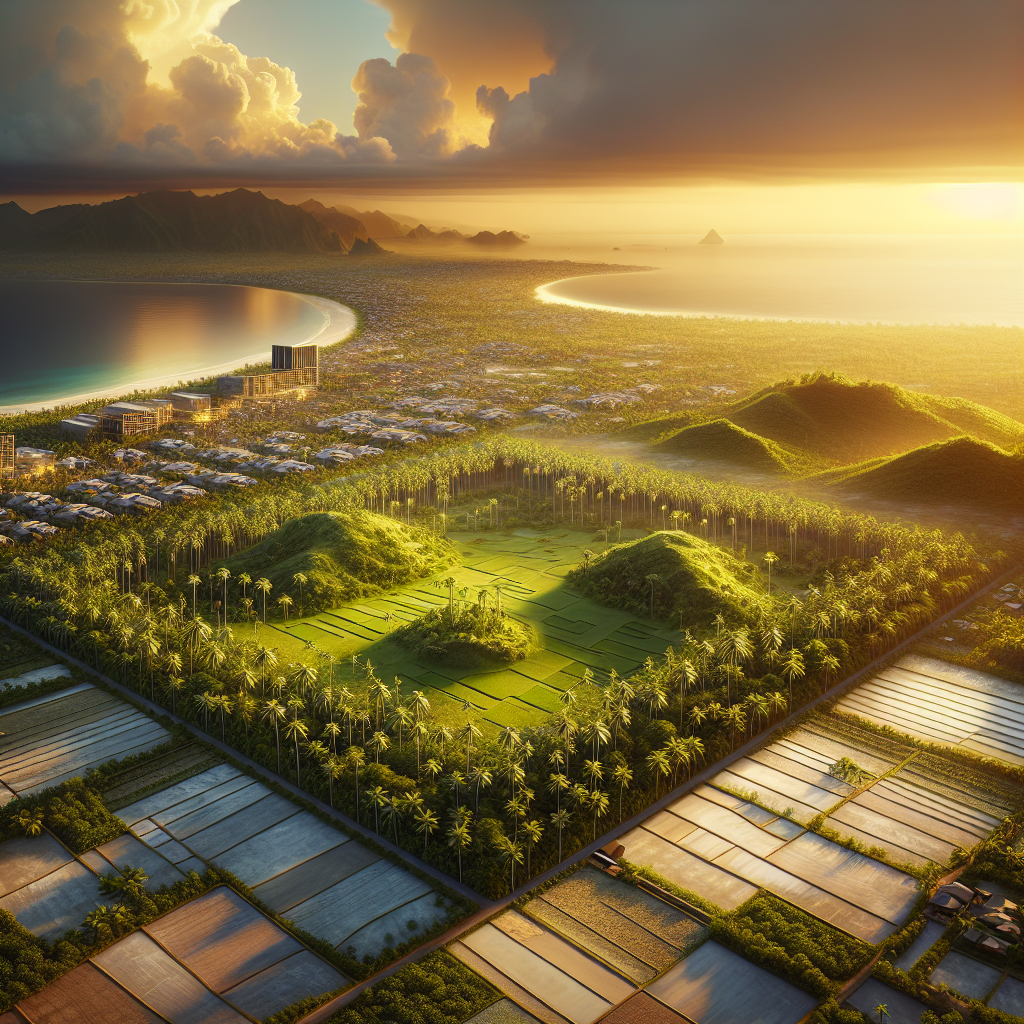
Bali has long been a magnet for real estate investment in Southeast Asia. However, in recent years, increasing investor interest has shifted toward its neighboring island — Lombok. Frequently dubbed the “New Bali” by experts and media alike, Lombok is part of the Indonesian government’s strategic initiative to promote new tourist destinations beyond the well-established ones. In 2025, Lombok is emerging as a key hotspot for resort real estate and infrastructure development.
Let’s explore what’s driving this interest in Lombok, how it stacks up against Bali, where returns are higher, risks lower — and whether now is the right time to invest in this emerging region.
Comparing Investment Climate: Maturity vs Potential
📌 Bali: A Proven Market with High Competition
Bali remains one of Indonesia’s most sought-after resort destinations. The island offers a well-established market for both rental and sales properties. Key advantages include:
- Developed ecosystem: legal advisors, contractors, property managers, real estate agents.
- Consistent occupancy rates — from 65% in low season to 90% in high season (Colliers International, 2025).
- Average rental yield: between 6% and 12% annually, depending on location.
- Villa prices in Canggu or Uluwatu range from $2,000 to $3,500 per sqm.
Bali suits investors seeking quick returns and minimal uncertainty.
🚀 Lombok: An Emerging Investment Zone with Growing Demand
Lombok has gained investor attention through the government’s “10 New Balis” program, which aims to develop southern areas — particularly the Mandalika resort zone — as alternative resort hubs. Regional advantages include:
- Low entry prices: coastal land and property from $800 to $1,500 per sqm (2025).
- Low market competition, especially in the premium and hospitality segments.
- Property value growth potential estimated at 10–15% annually over the next 3–5 years.
⚠️ However, risks to consider include:
- Limited infrastructure outside of Mandalika.
- Shortage of trained hospitality personnel.
- More complex legal processes due to regional nuances.
🧾 Taxation: What Are the Investor’s Obligations?
Tax rules apply uniformly across Indonesia, whether investing in Bali or Lombok. Key taxes to factor into your financial model:
- PBB (Land and Building Tax) — annual tax up to 0.5% of the property’s assessed value.
- PPh (Income Tax) — 10% on gross rental income or profit from sales.
- Capital Gains Tax when selling property.
Foreign investors must register an NPWP — an Indonesian taxpayer ID.
✅ We strongly advise consulting a local tax advisor to optimize your taxation strategy.
📎 Legal Framework: What Changed in 2025?
By early 2025, Indonesia’s Ministry of Investment (BKPM) introduced several key reforms for foreign investors. Highlights include:
- Minimum capital requirement for PT PMA (foreign-owned companies) reduced to IDR 1 billion (~$62,000).
- Streamlined process for obtaining building permits.
- Greater transparency in long-term leasehold registration under HGB (Hak Guna Bangunan) — valid up to 80 years.
🛠️ These improvements make market entry more accessible — especially in developing areas like Lombok — without compromising legality.
🚧 Infrastructure: Who Leads the Development Race?
✅ Bali: A Mature and Modern Infrastructure System
Bali continues to upgrade its already advanced infrastructure:
- Highway expansion connecting Ngurah Rai Airport to Uluwatu.
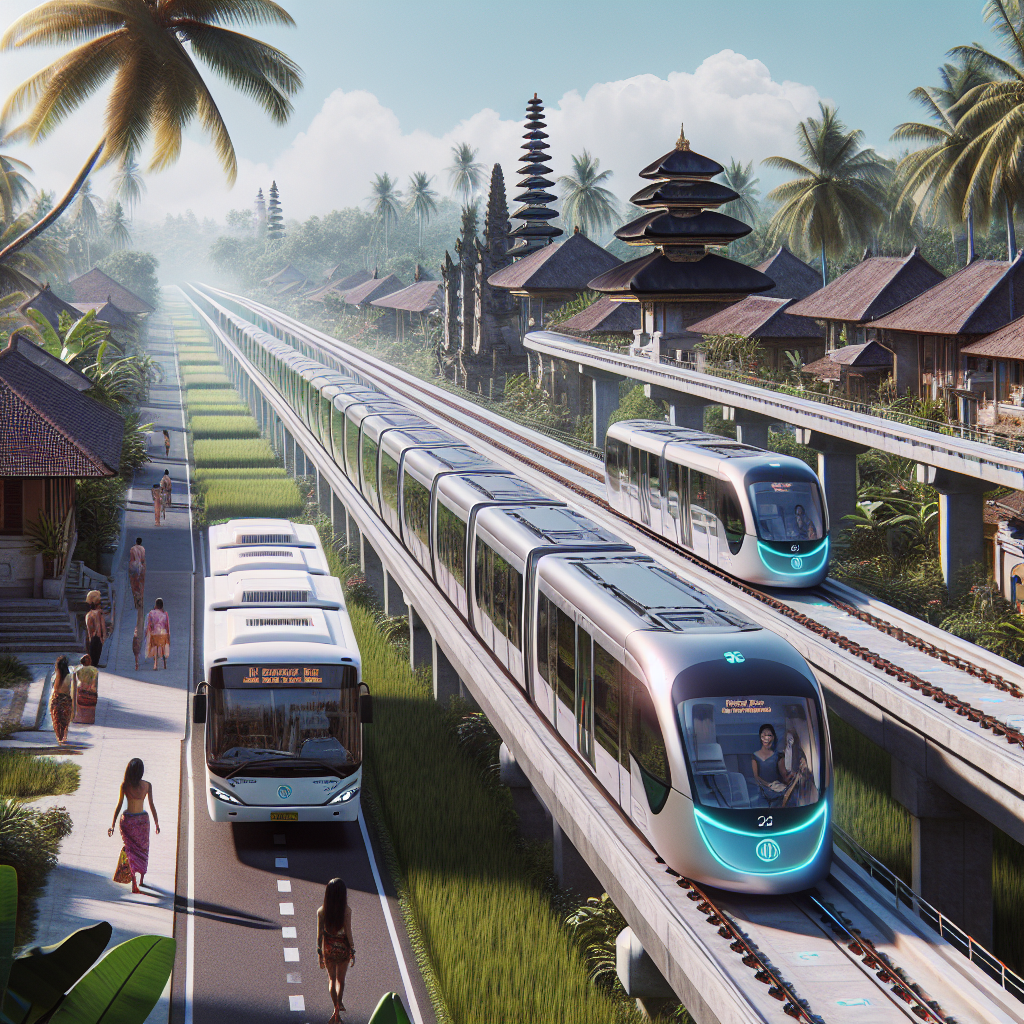
- New rapid transit projects in Denpasar and Canggu.
- Upgraded electricity, water, and sewage systems in major tourist zones.
This positions Bali as ideal for those prioritizing convenience and rapid project deployment.
📈 Lombok: A Growth Trajectory
Lombok’s major infrastructure leap is centered around the Mandalika project. By 2025:
- New five-star hotels by international brands have opened.
- Airport modernization (runway expansion and new direct flights from Bali and Jakarta).
- Ongoing development of a coastal road connecting Sekotong to Kuta.
While Lombok is still catching up to Bali’s maturity, its growth rate is impressive.
📈 Bali vs Lombok — Investor Comparison
| Criteria | Bali | Lombok |
|---|---|---|
| Average Property Price | $2,000–$3,500 / sqm | $800–$1,500 / sqm |
| Rental Yield | 6–12% | 8–15% (projected) |
| Infrastructure | Highly developed | Developing stage |
| Competition | High | Low |
| Risks | Minimal | Medium (infrastructure, legal) |
🎯 Practical Tips for Investors
If you’re planning to invest in resort real estate in Bali or Lombok in 2025, keep these key points in mind:
- Purchasing through a PT PMA is the safest legal structure for foreign ownership.
- Understand zoning regulations and land-use restrictions (especially in coastal or protected areas).
- Include recurring costs in your budget: taxes, maintenance, property management, insurance.
- Work only with licensed agents, attorneys, and developers.
💡 Conclusion
The choice between Bali and Lombok in 2025 ultimately depends on your investment strategy:
- Bali — best suited for those prioritizing fast returns and market stability. Ideal for active capital.
- Lombok — for forward-looking investors willing to bet on growth. High potential for capital appreciation, especially around Mandalika.
📌 Optimal approach: Diversification — allocate part of your portfolio to mature Bali, and another to promising Lombok developments.
Indonesia continues to boost its investment appeal by streamlining regulations and expanding its economy. Now is the perfect time to enter the market — before prices in emerging areas catch up with major hubs.
FAQ: Frequently Asked Questions
Can a foreigner buy property directly in Lombok?
No, direct land ownership is reserved for Indonesian nationals. Foreigners can acquire property through a PT PMA or via long-term leasehold (HGB).What’s the minimum starting budget for investment?
In Bali — from $150,000 for building a high-quality rental villa. In Lombok — from $80,000–$100,000, including land and construction.Which sectors are growing fastest in Lombok?
Hospitality, property rental services, retail, and IT solutions — particularly in Mandalika and Sekotong resort areas.Final Thoughts
Lombok is no longer just