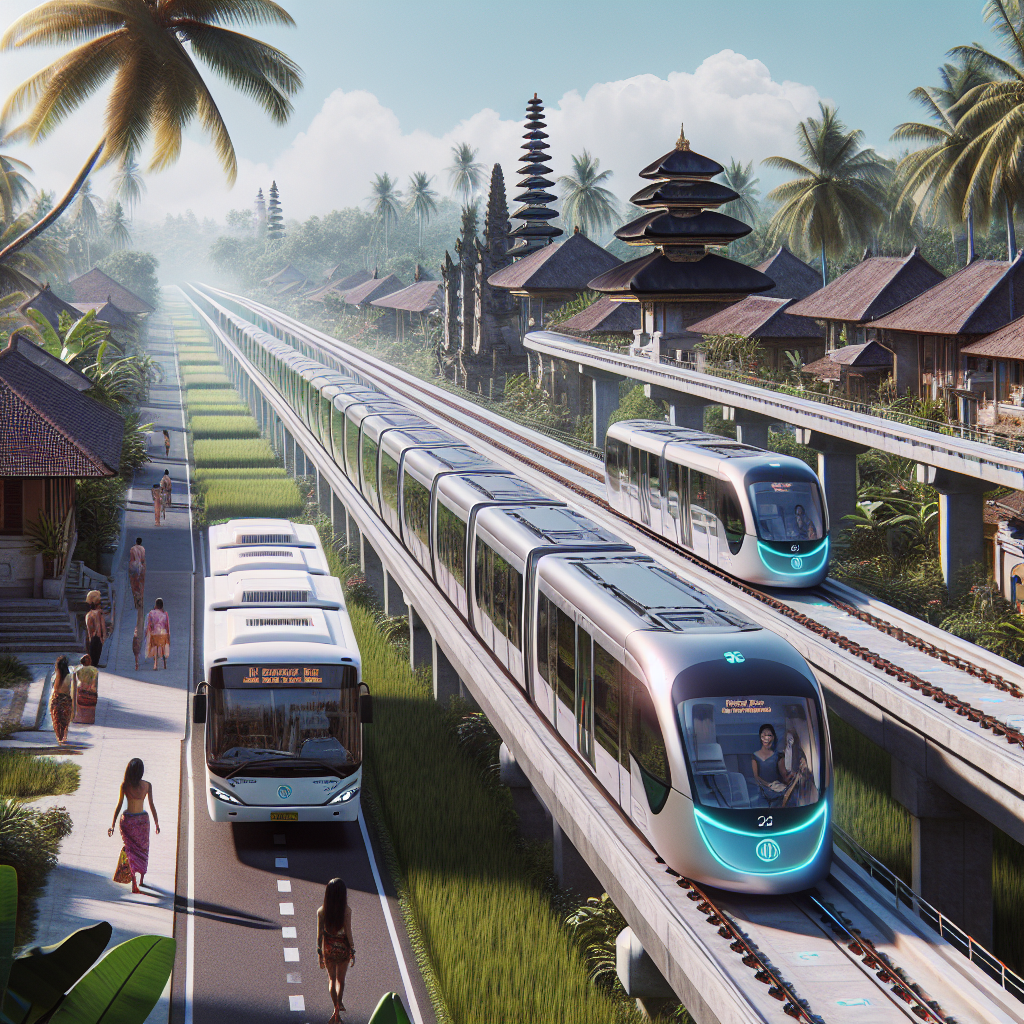
Indonesia's Economy: Growth Forecasts and Promising Sectors for 2025–2030

Indonesia's Economy: Development Forecasts and Investment Opportunities for 2025–2030
Indonesia is one of the world's leading emerging economies and the largest country in Southeast Asia by domestic market size. With a population of over 270 million, strategic geographic positioning, and active reform-driven policies, the country is rapidly transforming into a steadily growing economy that attracts international investment.
Between 2025 and 2030, Indonesia’s economic growth will be driven by business reforms, rising domestic demand, digitalization, and large-scale government programs. In this article, we explore key macroeconomic forecasts along with the most promising sectors and investment directions.
Indonesia's Macroeconomic Outlook: Forecasts Through 2030
Projected GDP Growth and Economic Scenarios
According to the World Bank: Indonesia Overview, April 2024, Indonesia’s economy is expected to grow at an average annual rate of 4.8% from 2025 to 2027. If structural reforms and deregulation policies succeed, GDP growth could reach up to 5.5% annually.
Assuming continued positive momentum, Indonesia may attain high-income country status by 2030 — as defined by the World Bank, this requires per capita GDP of more than $13,845 (as of 2024).
Key Growth Drivers
- Rapid development of transportation and energy infrastructure
- Steady growth in domestic consumption and expansion of the middle class
- Business environment restructuring under the Omnibus Law
- Robust digitalization and growth of ICT sectors
Leading Sectors: Services and Construction
Major growth-driving sectors include:
- Services: According to Indonesia’s Ministry of National Development Planning (Bappenas), the services sector is projected to grow by 5.1% annually through 2027, supported by finance, trade, tourism, and digital platforms.
- Construction: Supported by large-scale investment programs and rising housing demand, the sector could see annual growth of up to 6%.
Government Economic Strategy and Investment Climate Reforms
Major National Initiatives
Between 2025 and 2030, the Indonesian government is prioritizing growth through major public and private investment initiatives:
- 3 Million Homes Development Program: A modernized version of the “1 Million Homes per Year” initiative, expected to boost the construction sector and employment.
- Private investment volume in the housing program is estimated at $2.8 billion, or over IDR 44 trillion.
- Indonesia Investment Authority (INA): A sovereign wealth fund based on state assets, serving as a key financing tool for strategic infrastructure, transport, and energy projects.
Improving the Investment and Business Climate
Since 2020, Indonesia has been reforming legislation to reduce regulation and attract foreign capital:
- Implementation of the Omnibus Law, streamlining the legal framework for businesses and investors
- Reduction of corporate income tax (PPh Badan) to a target level of 20% (currently 22%)
- Expansion of digital services for business registration, reporting, and taxation
Indonesia offers favorable conditions for international investors through accessible business structures, including foreign-owned entities (PMA companies, Penanaman Modal Asing), and a centralized tax identification system (NPWP, Nomor Pokok Wajib Pajak).
Key Investment Sectors in Indonesia Through 2030
1. Real Estate Development and Construction
Surging demand for housing, business hubs, and tourist infrastructure makes construction a lucrative sector. Key areas of interest include:
- Residential and commercial development projects in Jakarta, Surabaya, Bandung, and other cities with over 1 million residents
- Tourism infrastructure development in Bali, Lombok, Labuan Bajo, and prioritized regions under the “Five New Balis” initiative
- Major projects in Nusantara (IKN), Indonesia’s new capital city in East Kalimantan
2. Information Technology and the Digital Economy
With over 210 million Indonesians online (DataReportal, 2024), Indonesia is one of the most promising markets for digital services and mobile applications.
- High-growth sectors include fintech, e-commerce, edtech, and ride-hailing
- Government support for data center and cloud infrastructure development
- Tax incentives and subsidies for implementing IT projects
3. Trade and Consumer Markets
The expanding middle class and urbanization trend underpin sustainable growth in the retail sector:
- Rising consumption in FMCG, household appliances, and electronics
- Rapid growth in e-commerce — online sales may double by 2030
- Development of franchise formats, especially in fast food, apparel, and everyday goods
4. Tourism and Hospitality Industry
Following the rebound in international tourism, Indonesia is focusing on a more diversified tourism model:
- Strategic development of Likupang, Mandalika, and Labuan Bajo as part of the “5 New Balis” initiative
- Promotion of eco-tourism and sustainable travel solutions
- Support for mid-market projects: apart-hotels, co-living spaces, and long-stay formats
Practical Tips for Investors: 2025–2030
Before investing in Indonesia’s economy, it is essential to understand not only potential sectors but also the legal, tax, and cultural context. Here's a brief checklist for prospective investors and entrepreneurs:
- Select your sector focus: property development, IT, and consumer goods offer solid entry points
- Register a PMA company — a legal entity with foreign capital that simplifies operations
- Obtain tax registration with NPWP for official business activity
- Take advantage of available incentives: ICT subsidies, construction tax relief, and SEZ (Special Economic Zones)
With a stable macroeconomy, a strong push for digital transformation, and regulatory openness, Indonesia ranks among the top destinations for launching a business or geographically diversifying investment portfolios in the coming decade.
Conclusion: Indonesia — A Rising Investment Hub in Southeast Asia
Indonesia is showing strong macroeconomic momentum with the potential to achieve high-income status by 2030. Projected GDP growth, domestic reforms, digital expansion, and major initiatives (including its new capital city) present unique opportunities for both private and institutional investors.
Major opportunities include:
- Participation in the planning and construction of urban and infrastructure projects
- Expansion of digital services for one of the world’s largest online markets
- Integration into the country’s tourism and creative economy
The period from 2025 to 2030 offers a strategic window for those seeking high-growth markets and attractive investment entry points.