Electric Trains and Smart Buses: The Future of Public Transport in Bali
The Future of Public Transport in Bali: Eco-Friendly Trains and Smart Buses
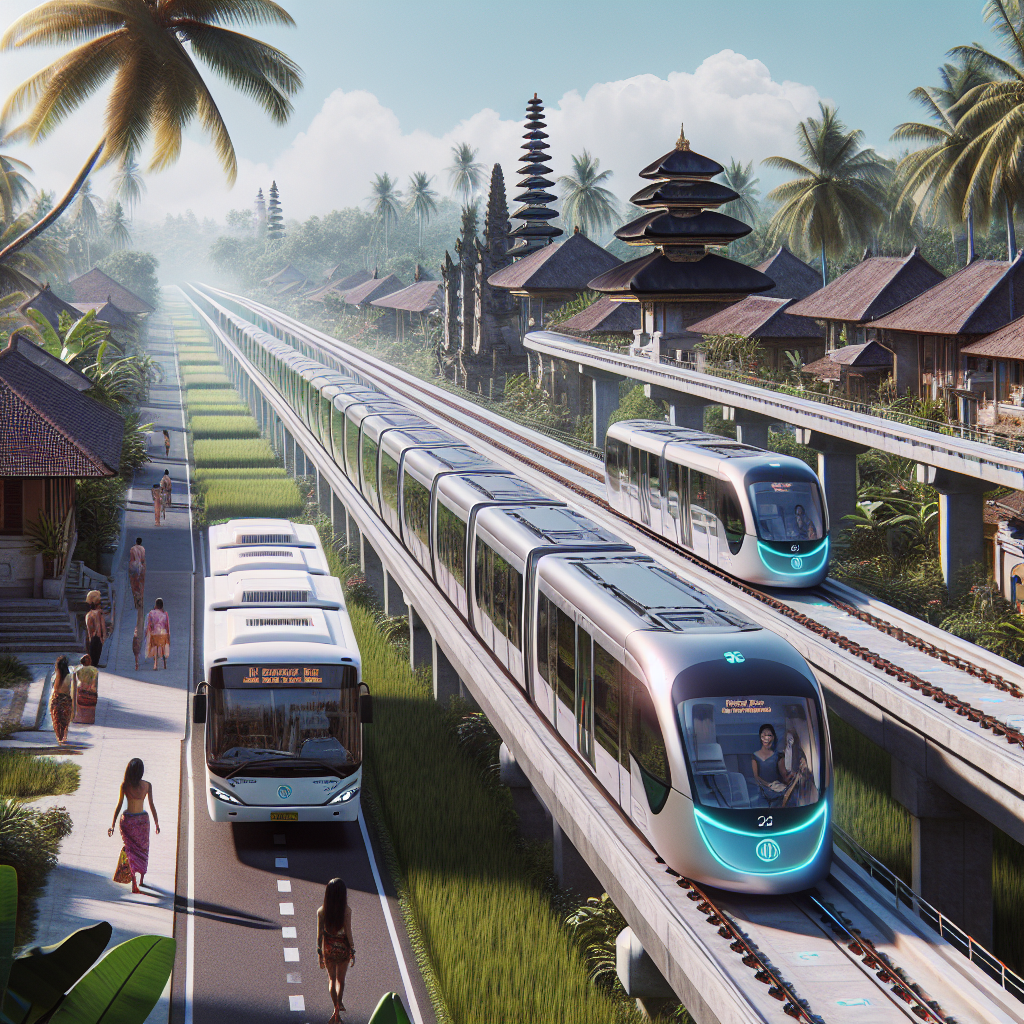
Developing sustainable transportation is becoming a top priority for Bali, one of Southeast Asia’s most popular tourist destinations. With increasing tourist traffic, congested roads, and air pollution, local authorities are seeking long-term mobility solutions. In the coming years, Bali is set to introduce a Light Rail Transit (LRT) system and smart bus networks (SMART Bus and electric BRT) to reduce infrastructure strain and improve quality of life.
Public Transport in Bali: New Approaches to Mobility
Currently, public transportation in Bali is mainly limited to minibuses (angkot), private transfers, and ride-sharing services. However, with upcoming changes, the Bali Provincial Government (Pemprov Bali) is launching strategic projects aimed at modernizing the transportation network between 2025 and 2030.
Key areas of reform include:
- Integrating sustainable transport within the tourism infrastructure.
- Reducing Bali’s carbon footprint in line with the National Energy Plan (Rencana Umum Energi Nasional).
- Creating a convenient, safe, and digitalized transportation system for both locals and tourists.
LRT in Bali: Light Rail Transit as a Green Investment Project
What is LRT and Why Bali Needs It
LRT (Light Rail Transit) is an urban electric rail system known for high capacity and minimal emissions. It is already operating successfully in Jakarta and Palembang and is now being prepared for Bali.
The primary goal of the LRT project is to reduce reliance on private vehicles, ease traffic jams, and ensure quick access to the airport and major resort areas.
Route and Construction Phases
The first stage will establish a 9.5 km route connecting Ngurah Rai International Airport with central zones in Kuta and Denpasar. According to Indonesia’s Ministry of Transportation, construction is expected to be completed by 2027. Feasibility studies and planning began in 2023 (source: Directorate of Public Transport, Ministry of Transportation).
The project operates under a Public-Private Partnership (PPP) model, involving both Indonesian and international investors, with initial talks held with firms from South Korea and China. All construction phases must pass an environmental assessment under the AMDAL (Environmental Impact Assessment) system, mandated by Law No. 32/2009.
Benefits of LRT for Bali
- Traffic alleviation: Thousands of tourists will be able to forgo taxis and shuttles by traveling on eco-friendly electric trains.
- Reduced emissions: LRT runs on electricity, helping to cut air pollution in resort zones.
- Urban infrastructure development: Transport hubs, public spaces, and new business centers will emerge along the routes.
SMART Bus and eBRT: High-Tech Buses on Bali’s Roads
SMART Bus — How It Differs from a Regular Bus
The SMART Bus system is a next-generation public transport solution. These electric buses are equipped with air conditioning, onboard Wi-Fi, lifts for passengers with reduced mobility, and digital display systems.
According to the Bali Provincial Transportation Department, these buses will connect key tourist zones (Seminyak, Legian, Nusa Dua, Ubud) with hotels and transport hubs to reduce reliance on private transfers and make commuting more convenient.
Electric BRT (eBRT): How It Works
eBRT (electric Bus Rapid Transit) is a digitalized transport network modeled after traditional BRT systems but using electric buses and smart infrastructure:
- Two-tier route network: One line will connect Denpasar with the Sanur coastline; another will run from the airport to the Nusa Dua resort area.
- Dedicated lanes: Buses will operate on special corridors to avoid traffic congestion.
- Smart stations: Real-time arrivals, navigation, and contactless payments — all accessible via mobile apps or transport cards.
According to Ministry of Transportation officials, the launch of eBRT is scheduled for the second half of 2025 and will be integrated into the island-wide Green Bali Mobility Network.
How the New Buses Will Integrate with Other Routes
SMART Buses and eBRT are being designed as part of an integrated public mobility network, connecting with the planned LRT, existing angkot routes, and taxis. This creates a system with easy transfers, unified ticketing, and shorter overall travel times.
Law No. 22/2009 on Road Transport and Government Regulation No. 74/2014 require regional governments to facilitate access to public transportation — and every initiative in Bali aligns with these legal frameworks.
Government Support and Economic Incentives
Eco-friendly transport in Bali is part of the national strategy Rencana Induk Transportasi Nasional.
Funding comes from the state budget, tax breaks, and private investments. According to Ministry of Finance Regulation No. 73/PMK.010/2019, electric vehicle purchases are exempt from import duties and enjoy reduced VAT, making the project financially attractive for producers and operators.
Each transport initiative is also required to undergo an AMDAL assessment — a state-mandated environmental review to ensure compliance with sustainability and conservation regulations.
What This Means for Tourists, Locals, and Investors
This transportation revolution will impact all areas of life in Bali:
- Tourists gain comfort and convenience: Easy transfers to hotels, beaches, and landmarks — no car rental needed.
- Locals benefit from less congestion and new job opportunities: drivers, technical staff, service workers.
- Investors discover growth opportunities: Property near LRT and BRT routes will rise in value and open new doors for hotels, cafes, and vehicle rentals.
Bali’s economy will experience a multiplier effect: every dollar invested in sustainable transport fuels growth in tourism, employment, and green tech sectors.
Conclusion: Stepping Into a Greener Future
The future of public transport in Bali is a synergy of technology, sustainability, and strategic planning. With the implementation of the LRT, SMART Bus, and eBRT, the island will soon boast a modern, sustainable, and integrated mobility network. Within the next five years, Bali is poised to become Southeast Asia’s leading model for eco-friendly transportation. This is more than infrastructure — it’s an investment in clean air, happy tourists, and better living for local communities.