What Does the Month of Ramadan Mean for Indonesians?
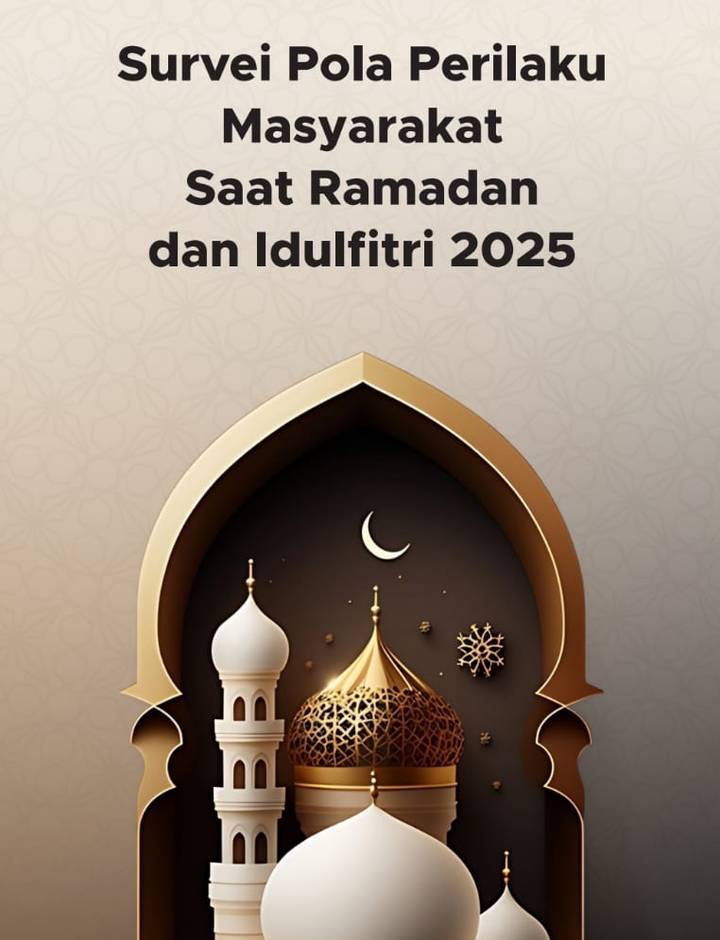
In Indonesia, where Islam is the predominant religion, the month of Ramadan holds special significance. According to a YouGov survey, 66% of respondents in Indonesia view it as a time for strengthening faith and reflection. This sacred month, marked by fasting and prayers, offers an opportunity to deepen spiritual connections and reflect on one’s life.
For many, Ramadan also becomes a time for family unity: 52% of respondents see it as a time to spend with loved ones. Such moments underscore the importance of family values and relationships in Indonesian culture.
Additionally, 41% consider Ramadan a moment for doing good and fostering positive changes in society. Experts believe the changes occurring during Ramadan have a long-term effect, creating a more caring community.
Some respondents (6%) use Ramadan to slow down and rejuvenate. This highlights the healing power of religious practices, which help reduce stress and enhance moral well-being.
The survey also notes the celebration of traditions and cultural roots. For 6%, Ramadan is a time to honor customs and culture that are essential to them.
Others (4%) view this month as a time for collective celebrations and gatherings, emphasizing the socio-cultural aspect of Ramadan. Although 3% have differing views, the general consensus remains that Ramadan is a unique opportunity for personal growth and social interactions.
The survey involved 2,149 Indonesians aged 18 and above, representing a cross-section based on the latest estimates from the Central Bureau of Statistics (BPS). It reflects contemporary trends and perspectives on Ramadan in Indonesia.