Can Cancel Culture Influence Politics in Indonesia?
The phenomenon of cancel culture is often seen as a collective social sanction directed towards individuals or institutions perceived as violators of norms. In Indonesia, this practice is primarily effective in the entertainment industry, while it rarely results in tangible consequences in the realm of politics.
Historically, cancel culture stems from the tradition of social boycotts against those deemed deviant. This practice has been employed in labor movements and consumer campaigns across various countries. Social media have transformed it into a faster, more open collective action.
In scholarly terms, cancel culture is understood as a form of digital ostracism – exclusion from a community as a social punishment. In the digital sphere, it operates through the destruction of reputation online, which does not require formal institutions: a single viral post can label a person as guilty long before formal investigations conclude.
Supporters of cancel culture see it as a means of social accountability. Public pressure is believed to compel behavioral change, especially when the legal system is ineffective or distrusted.
Critics, however, highlight the lack of verified facts. Collective emotions prevail over facts, shaping public opinion through potentially distorted information.
For politicians, cancel culture remains a weak tool. Their support is built on group identities and loyalty, not personal morality. Additionally, they have the protection provided by party affiliations and mechanisms for counter-narratives.
Thus, unlike the entertainment world, where cancel culture can irreparably damage reputations, its impact in politics is clearly limited. It serves more as an expression of frustration rather than a force for structural change.
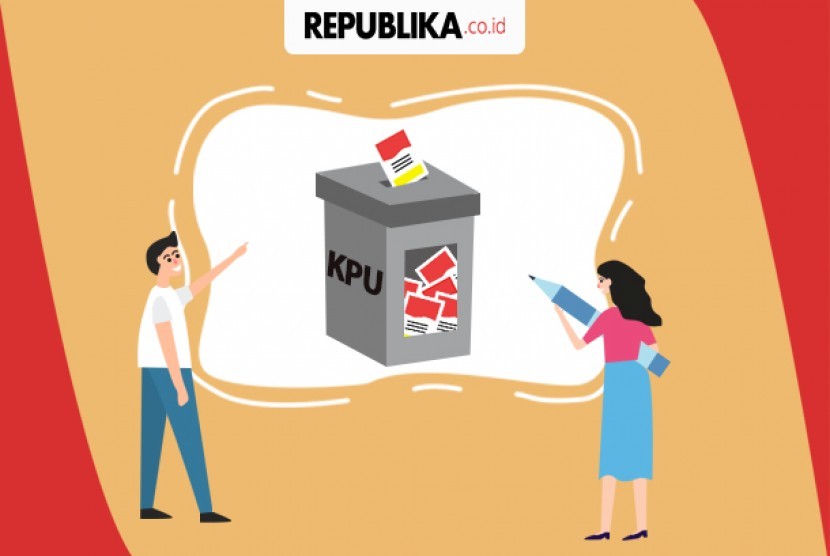
The key question is to make social accountability via cancel culture more symmetrical: politicians should find it harder to maintain their positions without moral support, much like celebrities. However, for this to happen, the electoral process must evolve into a tool of justice and not just a formality.