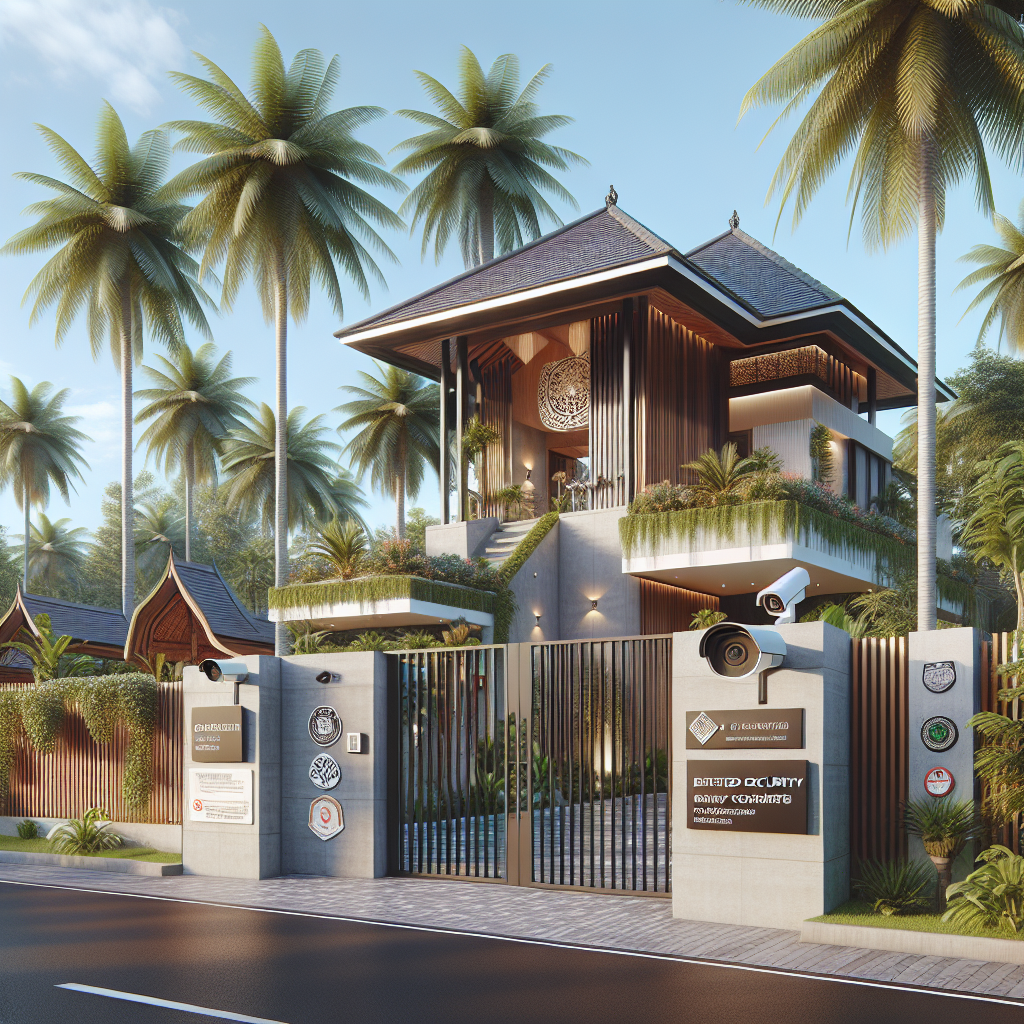
Tips for Choosing Accredited Property in Bali: What Foreigners Need to Know

How Foreigners Can Legally Buy Property in Bali in 2025: A Practical Guide
Introduction
Demand for buying property in Bali among foreigners is rapidly increasing. The island’s tropical climate, strong rental potential, and recent legal reforms make it highly attractive. However, to legally acquire real estate in Bali, it’s critical to understand Indonesian property laws and choose only developments that are formally recognized by the authorities. This guide offers a comprehensive overview for 2025 on how to safely invest in Balinese real estate.
Property Ownership Rights for Foreigners in Indonesia
Until recently, foreigners were not allowed to own property under full ownership (Hak Milik). However, with the implementation of Government Regulation No. 18/2021 under the Omnibus Law reform in 2023, the rules have changed:
- Foreigners are now officially allowed to hold property under the Hak Pakai (Right to Use) and Hak Guna Bangunan (Right to Build) schemes.
- Properties can be registered under a foreign national's name, provided they hold a valid visa such as e-VOA, KITAS (Stay Permit), or KITAP (Permanent Residency).
- Long-term lease agreements of up to 80 years are permitted (30 years + 20 + 30 years via contract extensions).
- The Hak Pakai right can be inherited or transferred to another buyer.
For detailed information, visit the official site of the National Land Agency (BPN): atrbpn.go.id.
What Qualifies as Legal (Accredited) Property
In the Indonesian context, “accredited property” refers to real estate that complies entirely with national regulations. These properties are officially registered with the Ministry of Agrarian Affairs and Spatial Planning/National Land Agency (BPN) and include the following documentation:
- Sertifikat Hak Pakai or Hak Guna Bangunan — the legal ownership certificate verifying the property rights structure.
- PBG (Persetujuan Bangunan Gedung) — a building approval certificate that has replaced the outdated IMB permit since 2021.
- SLF (Sertifikat Laik Fungsi) — a certificate confirming the building is fit for use.
Important: Even if a property is registered as land, lacking a PBG or SLF may render it illegal. In some cases, such structures may be subject to demolition without compensation.
How to Choose a Reliable Developer or Agent
Bali’s real estate market is dynamic and features both reputable professionals and unscrupulous operators. To avoid fraud:
- Verify the developer or agent’s NIB (Business Identification Number). All companies must be registered with the OSS Indonesia system.
- Research their reputation: Look for reviews on Google Maps, LinkedIn, Reddit, and expat communities. Also check for membership with AREBI (Indonesian Real Estate Brokers Association).
- Conduct due diligence: This includes verifying titles, the seller’s legal rights, land history, and zoning compliance.
Work only with companies that have a proven track record and transparent business history. Still, even well-known developers should undergo full legal review before completing any transaction.
Minimum Requirements for Purchasing Property
To legally purchase property in Bali as a foreigner, the following conditions must be met:
- The buyer must be a foreign individual holding a valid visa, such as KITAS, KITAP, or e-VOA.
- The property must be held under a Hak Pakai or Hak Guna Bangunan title and located on land zoned for residential or commercial use.
- The minimum purchase value for Hak Pakai properties in Bali is IDR 5 billion (approximately $320,000 USD based on late 2025 exchange rates).
Important: This pricing threshold excludes many lower-end properties, such as studios, guesthouses, or small apartment units. However, exceptions may apply if the development meets all legal standards (i.e., has SLF, PBG, and multi-ownership approval). Legal review by a licensed attorney is strongly recommended.
Bali's Investment Appeal
According to data from IMGBali, foreign direct investment in Bali’s real estate sector grew by 20.2% in 2023. This upward trend is driven by several factors:
- Consistently strong demand for rental properties, including villas, apartments, and townhouses for both short- and long-term stays.
- A steady recovery in tourism and hospitality post-pandemic.
- Rising costs of land and construction materials make purchasing now a strategic long-term move.
Note: The Indonesian Investment Coordinating Board (BKPM) confirms similar growth trends nationwide.
Tips for Choosing a Property
Buying accredited or certified property involves more than just paperwork — practical aspects play an equally crucial role:
- Location: The most in-demand areas are Canggu, Ubud, Seminyak, Sanur, and Uluwatu. Tourist zones continue to perform best in the rental market.
- Land zoning: Not all land in Bali is viable for development. Only plots designated for residential or commercial use are acceptable — agricultural or greenbelt zones are not.
- Legal documentation: Missing PBG or SLF certificates can render even a fully built villa illegal. Have all permits verified by a notary or licensed legal advisor.
- Infrastructure access: Some properties lack proper sewage, water, or electrical connections despite having full legal documentation. These deficiencies significantly impact usability and rental potential.
Conclusion
Buying legal property in Bali is a viable option for foreigners, especially following recent regulatory reforms. To protect your investment, follow a cautious, well-informed approach:
- Verify the form of ownership (Hak Pakai or Hak Guna Bangunan);
- Work with licensed agents only;
- Hire local legal experts for document verification;
- Most importantly, understand that Indonesian property laws differ significantly from Western standards and require careful navigation.
Today, investing in real estate in Bali is not only a lifestyle upgrade and tropical relocation — it’s a smart financial move, provided all legal requirements are thoroughly met.