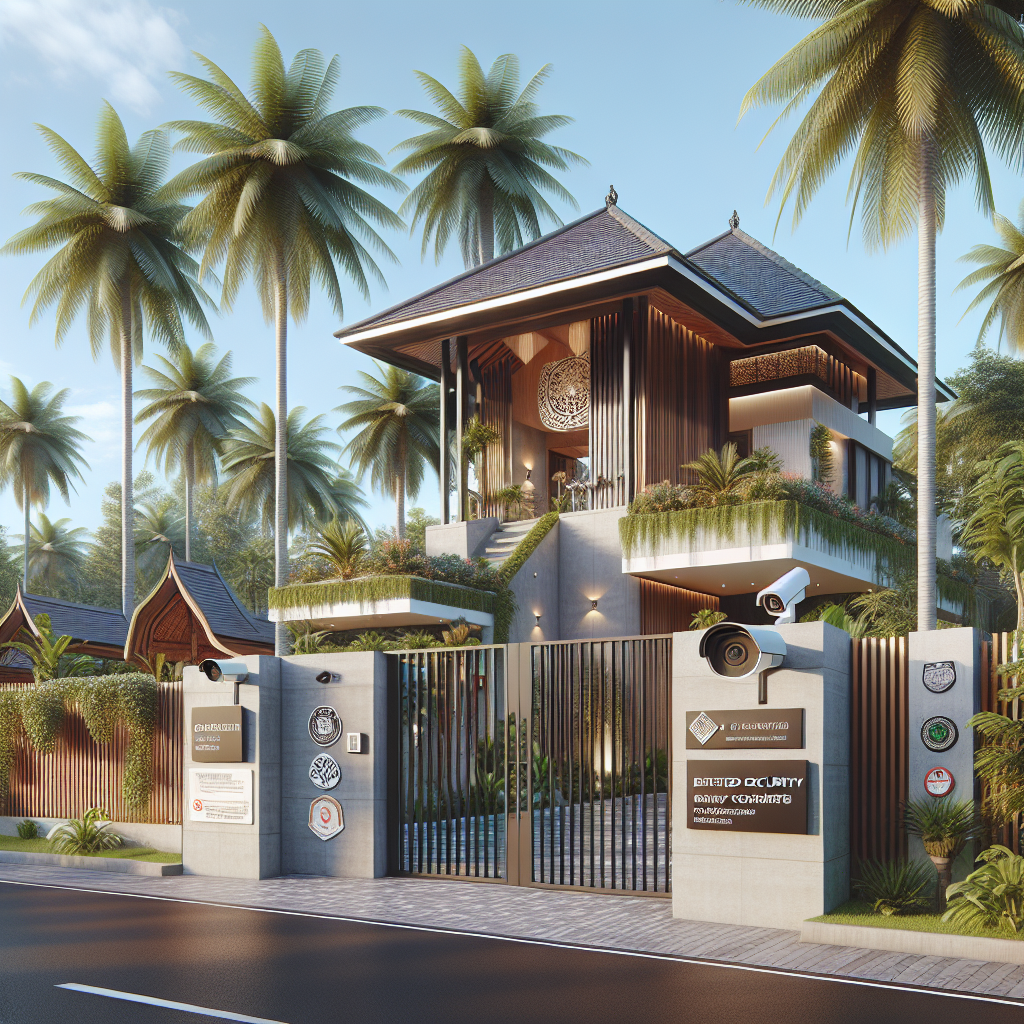
How to Comply with New Investor Requirements in Bali in 2025

New Regulations for Investors in Bali Starting 2025: How to Prepare
In 2025, the Indonesian government tightened requirements for foreign investors—including those aiming to conduct business in Bali or gain residency through investment. These changes affect both foreign-owned companies (PT PMA) and individuals applying for long-term stay permits such as the Investor KITAS and the Golden Visa. This article provides a detailed breakdown of the updates, referencing relevant immigration and corporate regulations.
What Has Changed for Foreign Investors in Bali in 2025?
The reforms target three key areas:
- Financial requirements for KITAS-type visas and the transition to KITAP for PT PMA founders.
- Expanded eligibility for the Golden Visa (as per Peraturan Menteri Hukum dan HAM RI No. 22 Tahun 2023).
- Stricter regulations on construction and land use in Bali, especially in tourist zones.
Let’s explore each of these in more detail.
1. Stricter Financial Requirements for PT PMA Shareholders
Foreign-owned companies in Indonesia—known as PT PMA (Perseroan Terbatas Penanaman Modal Asing)—remain the primary avenue for foreigners to legally conduct business. However, new 2025 regulations impose tighter rules regarding paid-in capital confirmation and investment proof, especially during visa renewals.
Key Capital Thresholds and Documentation
According to guidelines from Indonesia’s Directorate General of Immigration, one of the main criteria for a new or renewed Investor KITAS (1- or 2-year permits) now includes:
| Visa Type / Stage | Required Capital | Comment |
|---|---|---|
| Investor KITAS | From 10 billion IDR (~630,000 USD) | Per shareholder. Proof via PT PMA’s bank and tax statements. |
| KITAP via investor route | From 15 billion IDR (~945,000 USD) | Requires demonstrated investment activity after 2–3 years post-KITAS issuance. |
Important: If your paid-in capital was previously low—e.g., 2.5 billion IDR—you now face a high risk of KITAS extension refusal. Immigration authorities require clear evidence of actual investments shown in accounting, including development activities such as construction, growth, equipment purchases, and more.
Transparency Is Mandatory
- Cash flow must be traceable: companies must use official bank accounts and submit timely tax reports.
- Inactive or "shell" companies without legitimate activities or transactions are likely to fail inspections.
- A mismatch between declared and actual capital can lead to visa denial or even PT PMA license (SK Menkumham) revocation.
2. Golden Visa — An Alternative for High-Net-Worth Investors
In late 2023, Indonesia’s Ministry of Law and Human Rights introduced new terms for obtaining a long-term investor visa, also known as the Golden Visa. By 2025, the Golden Visa has become a fully viable option for individuals seeking legal long-term stay in the country without needing to run a PT PMA.
Golden Visa Requirements in 2025
- Minimum investment: from 2.5 million USD for a personal 10-year visa.
- Acceptable investment channels include:
- Indonesian government bonds,
- Investment funds,
- Innovative sectors (e.g., tech, sustainable infrastructure),
- Real estate (limited scope).
- Company formation not required — applicants act as private individuals.
- The visa grants eligibility for permanent stay, asset leasing or property acquisition (via leasehold), and optional business setup.
Source: PerMenKumHam No. 22 Tahun 2023
The Golden Visa is ideal for those who do not wish to manage a business but still want legal residency and long-term investment opportunities in Indonesia.
3. New Construction and Real Estate Restrictions in Bali
Bali’s urban planning reforms aim to manage the surging interest in land and property investments. In 2025, local authorities have stepped up development controls based on regional regulations (Perda Provinsi Bali).
Key Updates:
- Reduced designated zones for new construction—particularly in Canggu, Uluwatu, and Pererenan. New projects now require approval from BMKG (environmental and seismic agencies).
- Strict land title verification: residential or commercial buildings cannot be erected on land designated for “agricultural use.”
- Rising land and property prices—especially in the sought-after Badung region, with increases ranging from 8% to 14% compared to 2024.
Some projects failing to meet the new zoning standards have been frozen or even declared illegal. This raises investment risks and makes legal due diligence an essential step for all investors.
4. What Investors Should Do in 2025
✅ Minimum Actions Required for Compliance:
- When establishing a PT PMA — inject at least 10 billion IDR per shareholder. For KITAP transition — invest at least 15 billion IDR and show development spending (e.g., purchases, construction).
- Ensure financial transparency — formalize all financial flows including bank statements, the e-Bupot online tax system, and contracts with partners.
- Follow the latest zoning and land-use rules — work with licensed legal advisors and architects.
📌 Recommended Strategy:
- If you don’t want to manage a company, consider the Golden Visa route with investments starting at 2.5 million USD.
- Factor in price growth within your investment model (estimated +10% annually for premium land areas).
- Think long-term: while a PT PMA now requires more capital, it offers greater flexibility for future business expansions.
Conclusion
Bali remains a promising destination for investment and lifestyle, but as of 2025, the “old shortcuts” no longer apply. Legislation has become both more transparent and more demanding: proving your capital, maintaining active business operations, and complying with zoning laws are now critical. Reliable legal support, strategic planning, and a readiness to make real investments are the three most important factors for success in Indonesian immigration and business today.