Indonesian Democracy: Strength and Weakness After Elections
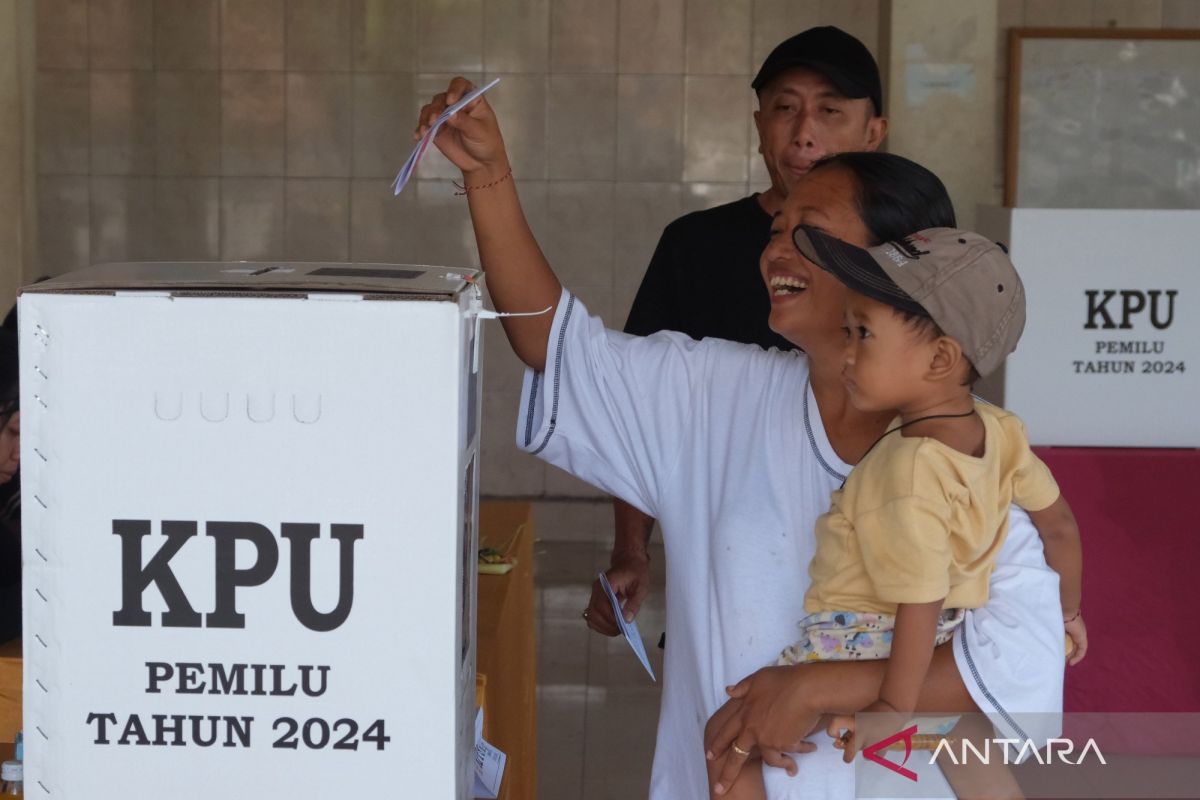
Democracy in Indonesia experiences significant fluctuations during the election period. According to Hurriyah, Director of the Indonesian University’s Center for Political Studies, democratic oversight activities intensify during campaigns and voting but sharply weaken once the elections are concluded. The importance of continuous monitoring of power actions is emphasized as a key mechanism for the balanced functioning of democracy.
The primary focus is that without ongoing oversight, democracy can become solely a procedural form of governance. Hurriyah believes that the state often focuses too much on revising electoral systems, ignoring fundamental democratic governance issues. This raises concerns as system changes do not address the truly pressing problems observed in the democratic process.
Political experts also note the necessity for developing public oversight and implementing electoral promises. Without active participation of civil society and independent structures, monitoring of the authorities’ actions may remain superficial. Hurriyah emphasizes the importance of not only participating in voting but also engaging continuously in political life.
The current situation in Indonesia dictates a need for a more conscious approach toward democratic procedures. The role of citizens in this process becomes more significant, determining the quality and durability of democratic changes. Without understanding the functioning of democratic institutions, Indonesia risks facing a constant political crisis where fundamental democratic principles could be lost.