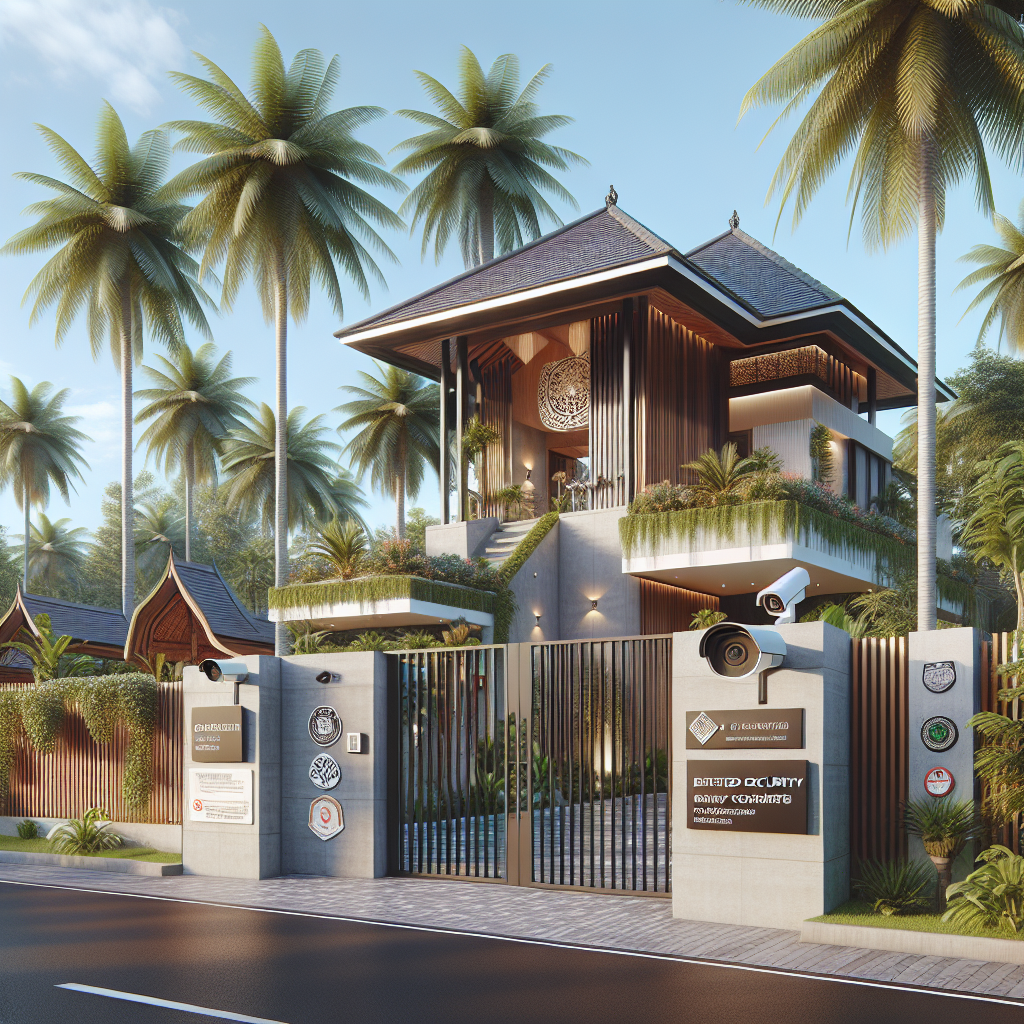
Strategic Land Acquisition in Bali: How to Achieve 40% ROI

Buying Land in Bali: Investment Strategies and How to Achieve up to 40% Returns
The real estate market in Bali remains one of the most attractive in Southeast Asia. With a well-developed tourism infrastructure, increasing rental demand, and widespread construction, the island offers vast opportunities for investors—particularly in the land segment. With the right strategy, returns can reach up to 40% annually, especially when participating in property development and resale. However, such figures are not guaranteed and require strict legal compliance, location analysis, and a well-chosen investment model.
This article explores the legal ownership structures available in Bali, applicable taxes, core investment strategies, and key risks prospective land buyers in Bali need to understand.
How Foreigners Can Legally Own Land in Bali
According to Indonesian law, foreign nationals are not allowed to directly own land under freehold title (Hak Milik). However, there are alternative, legally permitted ownership structures that enable foreigners to successfully invest in and manage property.
1. Leasehold – Long-Term Land Lease
This is the most common method used by foreign investors. A leasehold involves renting land for 25–30 years with the option to extend. This format allows investors to:
- build and operate real estate (villas, apartments, commercial properties);
- rent out the property;
- transfer lease rights to third parties or as part of a business structure.
Advantages:
- Lower entry cost compared to freehold ownership;
- Legally sound if structured properly;
- Contracts can be extended in the future.
Disadvantages:
- Cannot be used as collateral for loans;
- Harder to sell on the secondary market, especially if the lease term is near expiration.
2. PT PMA (Foreign Investment Company)
Establishing a legal entity—PT PMA (Penanaman Modal Asing)—allows foreign investors to own properties and lease land long-term under the right to build certificate, known as Hak Guna Bangunan (HGB).
Benefits:
- Full control over assets;
- HGB term up to 30 years, extendable to 80 years;
- Right to conduct commercial activities (e.g., property rentals or resort management).
Note: PT PMA requires business licensing, tax registration, and routine reporting.
3. Hak Pakai – Right of Use
This option is available to foreigners holding long-term Stay Permits (KITAS or KITAP). Hak Pakai allows usage of land or property for residential purposes, but not for commercial use. It is mostly used when purchasing apartments or homes for personal residence.
Taxes on Property Purchase and Ownership in Bali
PPh Final – Capital Gains Tax
The property seller must pay a 2.5% tax on the sale value as declared in the agreement. This is a fixed capital gains tax, regardless of the seller’s residency status.
PPnBM – Luxury Goods Tax
When selling high-end real estate valued over IDR 30 billion (~USD 1.9 million), an additional tax of up to 20% is applied. This covers properties classified as luxury goods.
Tax Registration (NPWP)
All investors must obtain an Indonesian Taxpayer Identification Number — NPWP (Nomor Pokok Wajib Pajak). It is required for doing business, registering a PT PMA, and participating in property transactions.
Real Estate Investment Returns in Bali
Financial performance depends on ownership structure, location, investment phase, and market conditions. Below is a comparison of expected returns across strategies:
| Investment Format | Expected Return |
|---|---|
| Villa rentals | 8–12% annually |
| Apartments in prime areas (Seminyak, Canggu) | 10–15% annually |
| Pre-construction investments (off-plan) | up to 30–40% in 1–2 years |
Note: Returns above 20% are generally achievable only by engaging in early-stage projects in strategic locations and through efficient investment management.
Investment Strategies: How to Reach up to 40% Returns
1. Land Acquisition and Development (Off-Plan)
One of the highest-yield strategies is purchasing land at the pre-development stage—especially in up-and-coming areas where land prices steadily increase.
How the strategy works:
- Land is acquired in a developing neighborhood (e.g., Pererenan, Tumbak Bayuh, Ungasan);
- Ownership structured via leasehold or PT PMA;
- Construction begins (villas, aparthotels, boutique spaces);
- Upon completion, the asset is sold or rented out.
This model enables investors to secure returns of up to 30–40% by capitalizing on the value gap between construction costs and market price. However, it requires deep market analysis, a reliable team, and quality construction control.
2. Buy-to-Rent Model
This conventional approach involves purchasing property for short-term rental via platforms like Airbnb or Booking. It is especially effective in high-traffic tourism zones (Canggu, Ubud, Seminyak).
Benefits:
- Consistent annual return of 8–15% (based on location and occupancy);
- Capital appreciation over time;
- Diversification options: short- or long-term leasing, management through professional agencies.
3. Combined Strategy: Build + Rent + Sell
Many seasoned investors combine methods. For instance, a property is built for rental income, operated for 2–3 peak seasons, then sold at market value with strong ROI.
This approach combines:
- Early rental income;
- Optimal exit timing with market value growth;
- Tax-efficient structuring through proper ownership models.
Legal Risks: What to Watch Out For When Buying Land
Important: Violating local laws can result in the loss of your entire investment or severe penalties.
Key Legal Risks:
- Illegal nominee structures: Using locals as front-name owners (nominee agreements) is not recognized under Indonesian law and may be voided.
- Lack of PT PMA registration: Operating without proper licensing may result in fines or business closure.
- Zoning restrictions: Certain plots are limited or prohibited for development. Always verify zoning permits.
To ensure legal clarity of the transaction, it is crucial to:
- Conduct due diligence with local professionals;
- Check all licenses of contractors, architects, and landholders;
- Work with reputable legal or advisory firms in Indonesia.
The Key to High Returns: Factors That Drive Success
Achieving up to 30–40% ROI from land investments in Bali depends on meeting several critical conditions:
- Ownership structure — use legal frameworks like PT PMA or leasehold;
- Entry timing — buy during early development or pre-construction stages;
- Promising location — target areas with rising demand and limited inventory;
- Design and marketing — projects tailored to international tourists and digital nomads;
- Legal guidance — protect your investment through qualified local experts.
Conclusion: Bali presents real opportunities for high-yield investment, especially in land and property development. However, strong returns are always tied to potential risks and require a strategic, professional approach. Long-term success depends on legal compliance, financial planning, and a deep understanding of the local business landscape.