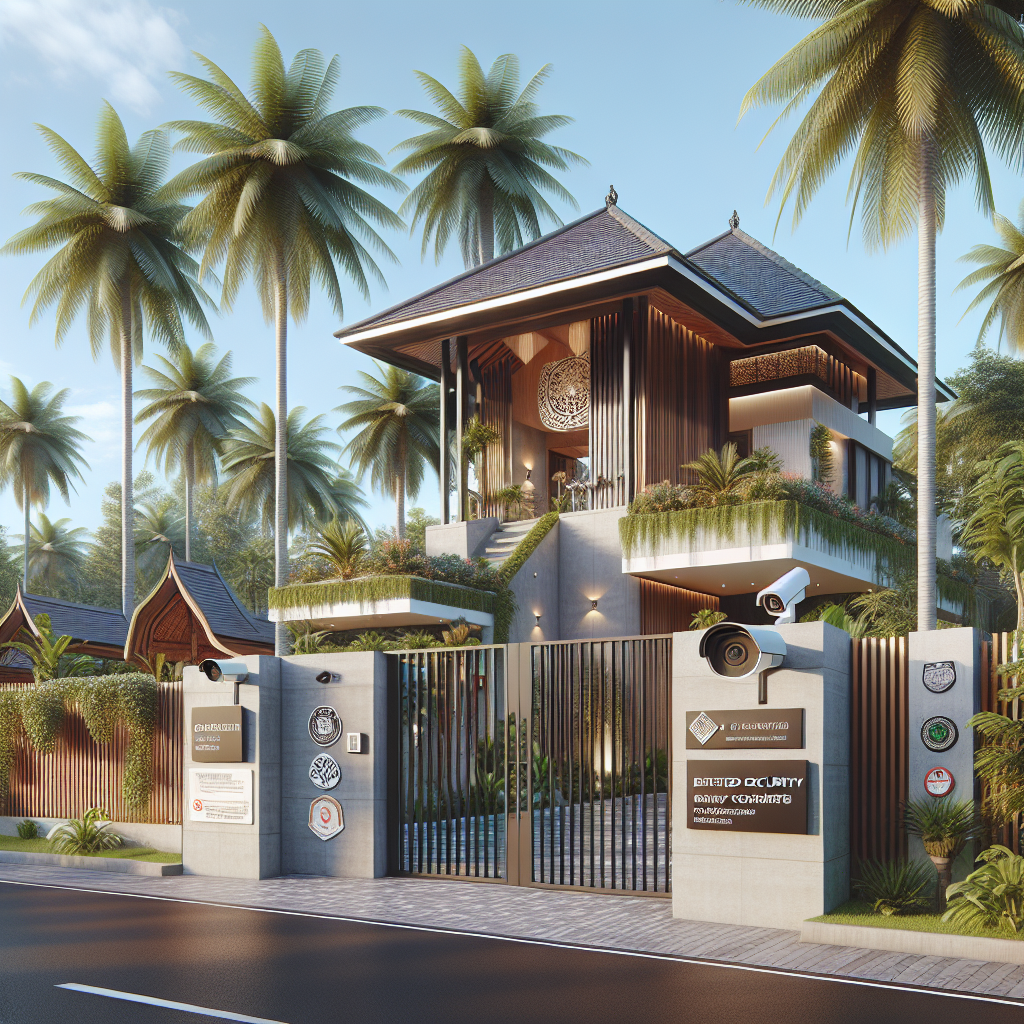
Bali vs Jakarta: Comparative Analysis of Real Estate Investment Returns in Indonesia

Comparative Analysis of Real Estate Investment Returns in Indonesia: Bali vs Jakarta
Investing in real estate in Indonesia continues to attract foreign capital due to its relatively low entry threshold, a dynamic tourism industry, and the potential for steady income. The most sought-after destinations — Bali and Jakarta — each come with their own characteristics, advantages, and legal restrictions. This article provides a comparative overview of investment appeal between these two regions, backed by facts, updated data as of 2025, and relevant legal context.
Investment Returns: Where is the Profit Higher — Bali or Jakarta?
Rental Yield
- Bali: Thanks to a steady flow of tourists and demand for short-term rentals (especially in areas like Canggu, Seminyak, Ubud, Uluwatu), rental yields can reach 10–12% annually. These figures are confirmed by local agencies (e.g., Ray White Indonesia, 2024) and AirDNA data.
- Jakarta: The capital focuses on long-term rentals. ROI typically ranges from 5–7% per year, catering to expats, international company employees, and local professionals. High competition among developers and market saturation somewhat limit growth potential.
Conclusion: When comparing net rental yields, Bali offers a higher return percentage, though it requires active management and seasonal adjustments to strategy.
Property Value Appreciation
- Bali: In high-demand zones such as Pererenan, Nusa Dua, and southern Ubud areas, property prices increased by 20–30% per year in 2023–2024 (source: Indonesia Property Watch, 2024). This is driven by tourism growth, internal migration, and infrastructure development.
- Jakarta: Annual price appreciation ranges between 5–9%. The market is more mature and regulated, making it less prone to volatility. Notable growth is seen in South Jakarta districts — SCBD, Mega Kuningan, Kemang.
Conclusion: For investors focused on capital gains through property value appreciation, Bali offers a more aggressive growth potential — albeit with higher risks.
Off-Plan Investment Opportunities
- Bali: Off-plan investments can yield up to 25–35% profit over 12–18 months upon resale after project completion. However, such returns require careful developer selection, legal due diligence, and strategic entry pricing. Note: Returns exceeding 40% are exceptional and tied to exclusive projects or early-stage participation in developer startups.
- Jakarta: Early-stage investment yields average 6–10% upon project completion. Speculative mark-ups are possible in premium districts, but payback periods are longer due to market saturation.
Conclusion: Bali allows for short-cycle strategies but demands higher involvement from the investor. Jakarta is more predictable, though less lucrative.
Taxation Burden on Real Estate Investments
Understanding the taxation system is key to calculating the actual net income from rental or property sales.
Rental Income Tax (PPh Final)
- Residents: According to PP No.55/2022, tax is 10% of gross income (for long-term rentals) or up to 15% for short-term hotel-like rentals. Simplified tax schemes may apply in certain cases.
- Foreigners (without tax resident status): Withholding tax at source is 20% of gross income if no NPWP (Indonesian tax registration number) is provided.
Important: Obtaining an NPWP can allow a foreign investor to benefit from resident-level tax rates. It is highly recommended when running rental operations or a real estate business.
Regional and Special Levies
- PBB (Land and Building Tax): Charged annually at 0.1–0.3% of NJOP — the government-assessed market value. In Bali, land value has significantly increased in many areas, directly impacting this tax.
- Bali Levies: As of 2024, Bali introduced a Tourism Levy of IDR 150,000 per tourist (one-time) and additional municipal fees on short-term rentals — potentially partially affecting property owners.
- On Sale: Capital gains tax (PPh 21) at 2.5% of the sale price, withheld by the seller.
Conclusion: The overall tax burden depends on the investor’s residency, NPWP registration, and the rental model. Without these considerations, the net yield may differ substantially from the projected "gross" figure.
Legal Status of Foreign Investors in Indonesia
Foreign nationals cannot directly own land in Indonesia. However, there are several legal pathways:
Hak Pakai — Right to Use
- Allows foreigners to hold residential rights for up to 30 years, extendable to 80 years.
- Since 2023, ownership registration is possible without physical stay, but for active property use, the owner must be present in Indonesia at least 183 days per year (Regulation No.18/2021 by the Ministry of Agrarian Affairs).
- The title must be officially registered with BPN (Indonesia's National Land Agency).
Hak Guna Bangunan (HGB) & Ownership via PT PMA
- A foreign-owned company (PT PMA) can acquire land and buildings under HGB title — the most secure method for long-term ownership and investment.
- Setting up such a company requires a minimum capital of IDR 10 billion (or equivalent in foreign currency) and annual financial reporting in Indonesia.
Warning: Using local nominees or third-party proxies to bypass legal restrictions is illegal and may result in asset forfeiture.
Which Should You Choose — Bali or Jakarta?
The decision depends on your investment strategy, time horizon, and your involvement level in property management:
- Bali: Offers high potential returns but requires hands-on management, tax optimization, and legal precision. Best suited for investors ready for a dynamic, engaged approach or working with property managers.
- Jakarta: A more stable market with less volatility, more corporate tenants, and a well-established legal infrastructure. Yields are lower, but income is more predictable.
Practical Tips for Real Estate Investors
- Plan your investment structure early: Choose between Hak Pakai and PT PMA based on your goals.
- Calculate real net yield: Factor in all taxes, levies, property management fees, and vacancy periods.
- Consider currency risks: Income in Indonesian Rupiah may shrink upon repatriation depending on exchange rates.
- Always conduct legal due diligence: Double-check property status, permits, and title — especially with off-plan investments.
Conclusion
Despite market differences, both Bali and Jakarta offer unique real estate investment opportunities. Bali appeals to investors seeking high returns and willing to take calculated risks, while Jakarta is a solid option for those prioritizing stability, legal clarity, and minimal involvement.
Indonesia remains an investor-friendly real estate market for foreign capital. Key success factors include compliance with local regulations, realistic risk assessments, and reliance on verified data.