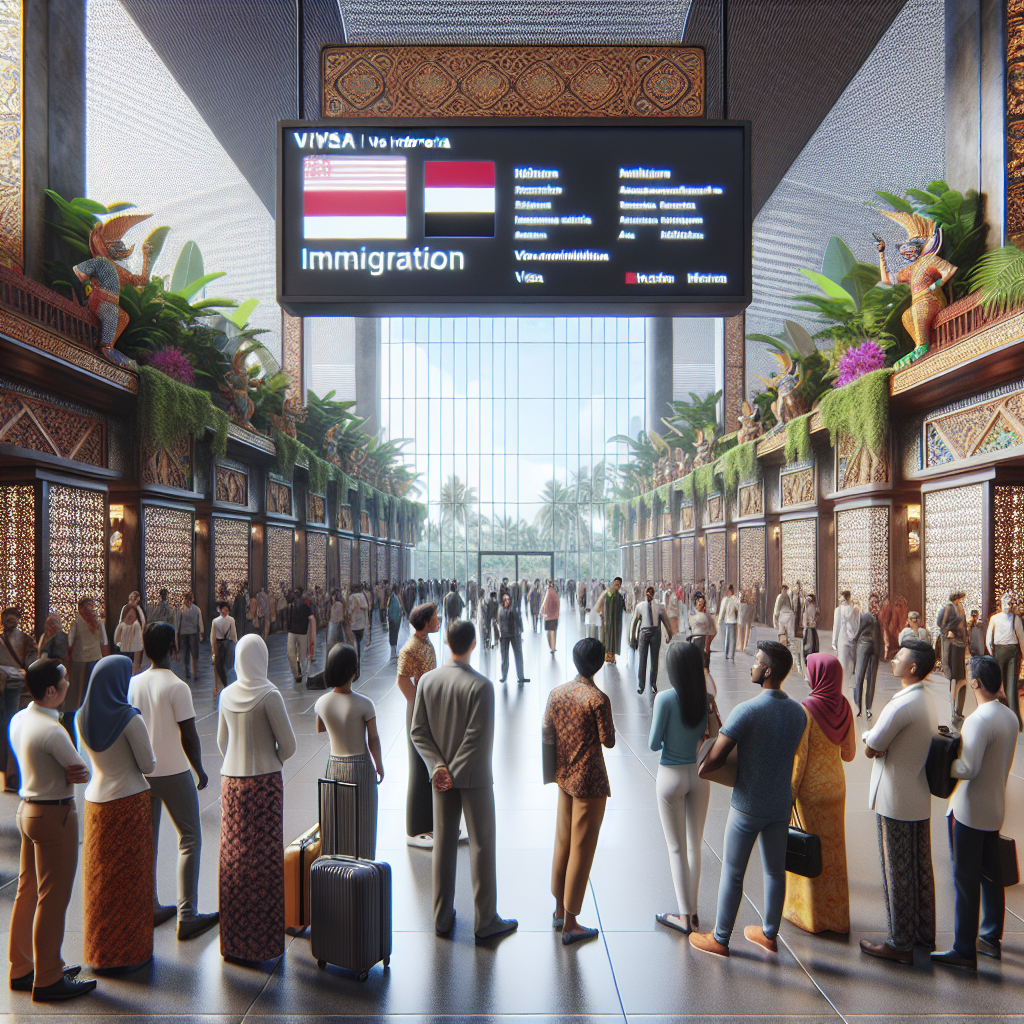
How Indonesia’s 2024 Visa and Residency Reforms Are Impacting Expats in 2025
How the New Visa Policies Introduced in 2024 Continue to Affect Foreigners in Indonesia in 2025
Since January 2024, Indonesia has implemented a revamped visa and residency system for foreign nationals. The reforms have affected a broad spectrum of individuals — from tourists and digital nomads to investors, retirees, and freelancers. The primary goal of the overhaul was to simplify and structure the visa application process, reduce visa tourism, and create clear guidelines for long-term stays in the country.
This article explores the new visa types now available in Indonesia, how they differ from previous formats (such as B211A, VKSB, KITAS), changes in the application process, and what foreign residents and expats should expect in 2025.
Why Did Indonesia Change Its Visa Policy?
The reform is part of a broader migration strategy developed by the Directorate General of Immigration under Indonesia’s Ministry of Law and Human Rights. Official changes took effect on January 1, 2024, and were formalized in Peraturan Menteri Hukum dan HAM No. 22 Tahun 2023. The objectives include:
- Attracting high-net-worth individuals and foreign investors;
- Creating transparent and legal employment pathways for foreigners;
- Reducing visa-run practices and illegal work through tourist visas;
- Integrating the Second Home Visa into the country’s visa and tax systems.
Indonesia now offers a more structured visa system categorized by indexes from B to E. Details below.
Quick Overview of New Visa Categories: Indexes B, C, D, and E
Previous visa types — such as B211A, cultural, and pre-employment visas — have been phased out or refactored under new categories. KITAS (Stay Permit/KITAS) can now only be issued after obtaining the appropriate long-term visa under category E.
| Index | Intended For | Key Features |
|---|---|---|
| B | Short-term business visits | No right to work or earn income; used for meetings, conferences |
| C | Tourists, volunteers, students | Allows tourism, participation in cultural and educational programs |
| D | Frequent travelers, digital nomads | Multiple entry; up to 60 days per visit; no work rights |
| E | Investors, retirees, corporate employees | Work/investment visa; valid basis for KITAS/ITAS |
Which Visa Best Fits Your Situation?
➤ For Business Without Earning Income: Index B
If your trip is for meetings, conferences, or business discussions without earning income in Indonesia, the B-index visa is suitable.
- Stay Duration: Up to 60 days without extension.
- Extension: Not available.
- Not Suitable For: Contract or freelance work.
➤ For Tourism and Volunteering: Index C
This visa is popular among students, cultural festival participants, volunteers, and freelancers not generating local income.
- Duration: Up to 60 days; extendable up to 180 days.
- Note: Work is prohibited — even remote work with Indonesian clients.
➤ For Digital Nomads and Freelancers Without Indonesian Clients: Index D
While the term “digital nomad” isn’t legally defined, the D-visa category is the most practical for foreigners working remotely for international clients.
- Multiple Entry Visa: Valid for a year with multiple entries.
- Stay Per Entry: Up to 60 days each time.
- Best For: Extended stays in Southeast Asia while based in Bali or Jakarta.
➤ For Work, Investment, or Retirement: Index E
This is the most robust option for foreigners intending to build a life in Indonesia rather than just visit. After obtaining an E visa, you may proceed with securing a KITAS (Stay Permit).
- Categories: Investors, international company employees, Second Home participants, retirees.
- Validity: 1–5 years, renewable.
- Benefits: Permits legal residence, employment, and tax registration in Indonesia.
If your goal is employment or running a business in Indonesia, focus on visas under index E. Using other visa types to generate income may result in deportation.
What Has Changed in the Visa Application Process (2024–2025)?
Do You Need to Apply in Advance?
Yes — most foreign nationals from outside ASEAN countries must now apply for visas in advance through the official portal:
- Submission Method: Online only.
- Processing Time: Up to 5 business days.
- Payment: Via secure digital platform.
Mandatory Electronic Entry Form Since September 2024
As of September 1, 2024, all foreign visitors are required to complete an e-CD (Electronic Customs and Immigration Declaration) before arrival.
- To be filled out before boarding your flight.
- A QR code is generated and must be presented at immigration.
- No entry without the e-CD QR code.
This digital control measure applies regardless of visa type.
What Happened to the Second Home Visa?
Although the Second Home Visa was introduced in 2022, it was officially integrated into the E visa category in 2024–2025. It is no longer a standalone visa but a subcategory with specific requirements:
- Minimum fund requirement: IDR 2 billion (approx. $130,000).
- Validity: 5 or 10 years.
- Suited for: Retirees, high-net-worth individuals, property owners.
This format is ideal for those wishing to reside legally in Indonesia without employment, backed by assets or investments.
Frequently Asked Questions (FAQ)
Can I Work in Indonesia on a D or C Visa?
No. Neither the digital tourist visa (C) nor the multiple-entry visa (D) grants legal work rights or permission to earn income from Indonesian sources.
What If I'm Entering as a Freelancer?
If you work exclusively with foreign clients and do not engage with the Indonesian market, a short stay under a D visa may be acceptable. However, for longer and more frequent stays, we recommend switching to an E visa followed by a KITAS (Stay Permit).
What Visas Were Phased Out Under the New Index System?
The reform replaced popular visa types such as B211A and VKSB. While KITAS still exists, it now requires an initial long-term visa under category E as the foundation.
Conclusion
Indonesia’s new visa framework, active since 2024 and still applicable in 2025, offers a more organized yet stricter pathway for foreign visitors and residents. It is now easier to select a visa aligned with your goals — whether tourism, remote work, or investment. At the same time, the expectations are higher: unauthorized work may lead to sanctions, and immigration authorities are more alert to “visa maneuvers.”
If you are considering a visa to Indonesia or planning long-term residence, it’s crucial to define your objectives and secure the correct legal basis. Choosing the right visa ensures not only comfort but also compliance with local laws — avoiding deportation or entry bans.
Meta Description (for SEO):
What changes to Indonesia's visa policy came into effect in 2024 and continue in 2025? A detailed guide to new visa indexes (B–E), application requirements, and categories for work, tourism, investment, and retirees.
SEO Keywords:
- Indonesia new visa rules 2024
- Indonesia E visa
- Second Home Visa Indonesia
- working in Indonesia for foreigners
- visa application Indonesia
- digital nomads Indonesia
- retirement visa Indonesia