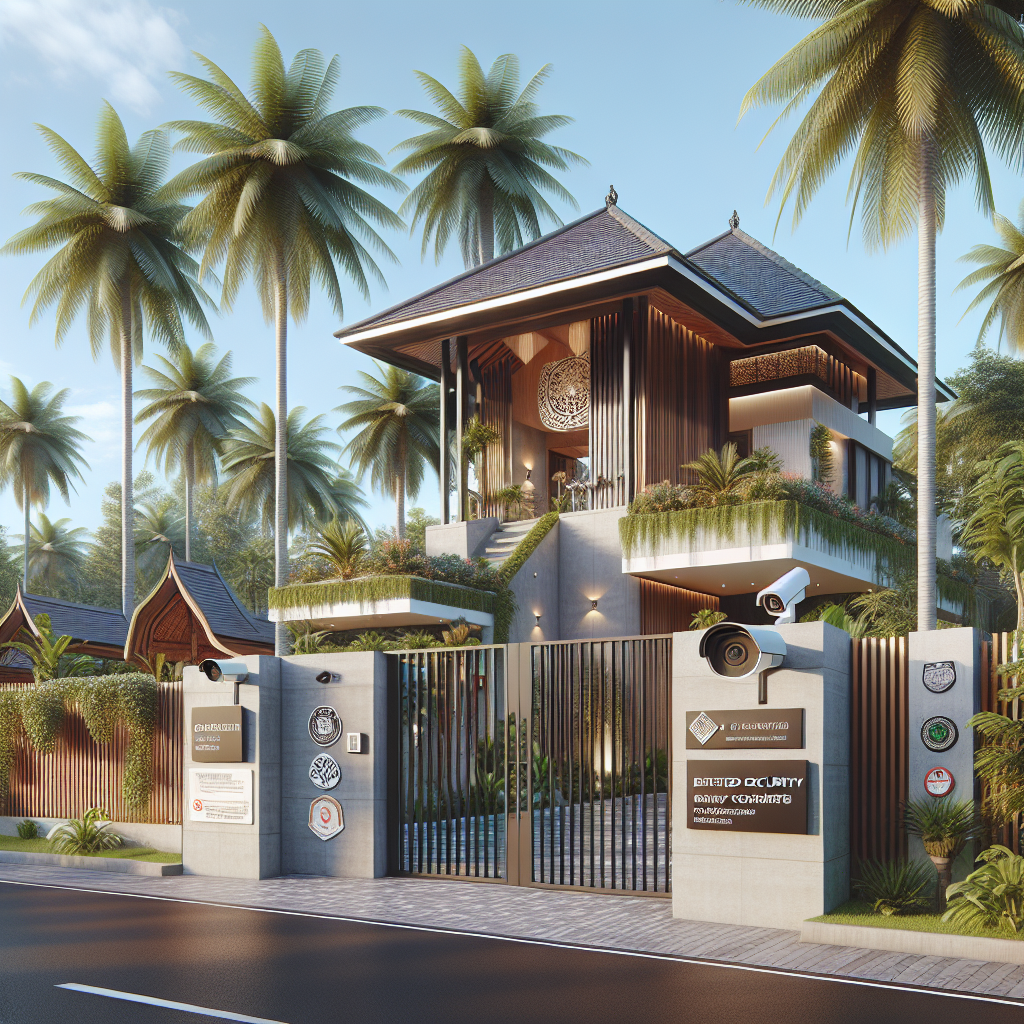
Bali Housing Overview: How to Choose the Right Area and Avoid Overpaying

Bali Housing Overview: How to Choose the Right Area and Avoid Overpaying
Bali remains one of the most attractive regions in Southeast Asia for living, investment, and renting property. However, relying solely on picturesque images of beachside villas isn’t enough. It's crucial to understand market realities, legal restrictions for foreigners, and the unique characteristics of each area on the island. In this article, we’ll explore how to choose the right neighborhood in Bali, navigate pricing, and avoid overpaying.
Real Estate Market in Bali: Prices and Insights
Property prices in Bali are largely determined by location, property type, and local infrastructure. Rates can vary significantly based on demand and proximity to popular tourist spots.
Property Type Average Price Comments
| Villas and private homes | IDR 500 million – 2 billion (≈USD 32,500 – 130,000) | Higher prices near the coastline and in popular expat areas
| Monthly rentals | IDR 5 – 30 million (≈USD 325 – 2,000) | Cost varies by area, furnishing, and pool availability
| Long-term rental | 20–40% discount from monthly rates | Usually arranged for periods of 6 months or more
Source: Bali Real Estate Market Report, Knight Frank Indonesia, 2024
Legal Aspects: What Foreigners Need to Know
Foreigners cannot own land outright in Indonesia — this is mandated by the country’s Constitution. However, there are legal structures that allow foreigners to use or invest in property in Bali on a long-term basis.
- Hak Pakai (Right to Use): Allows foreigners to lease land for up to 25 years with the option to extend. Requires a valid Stay Permit/KITAS and tax residency.
- PT PMA: A foreign-owned company structure. Enables investment in commercial property. However, not all forms of residential real estate are eligible under this method.
- Leasehold: The most common form of property tenure for foreigners. Typically structured for 20–30 years with an option to renew.
Important: Schemes involving “nominee” ownership through Indonesian individuals are illegal and pose a high risk of losing rights. Always consult with a lawyer experienced in Indonesian property law.
Source: Indonesian Ministry of Agrarian Affairs and Spatial Planning, 2024
Investing in Bali Property: Returns and Risks
Rental demand continues to fuel construction and price growth across the island. However, a prudent investment approach is key, including realistic expectations for returns and risks.
- Rental Income: Can range from 6% to 12% annually, depending on location, property quality, and occupancy rate.
- Capital Appreciation: Property values have increased by 8–15% per year on average over the past three years — primarily in tourist hotspots. Expecting more than 20% annual growth is overly optimistic.
Source: Colliers Indonesia, Bali Property Outlook 2024
Most Popular Areas in Bali
The choice of area directly impacts property price, livability, and investment potential. Below is an overview of key locations:
Canggu
- A favorite among digital nomads, young travelers, and surfers.
- Plenty of coworking spaces, cafes, fitness studios, and boutiques.
- High rental and purchase prices.
Umalas and Berawa
- Quiet residential zones near Canggu and Seminyak.
- Popular with families and long-term expats.
- More affordable compared to Canggu.
Seminyak
- A tourist hub with well-developed infrastructure.
- Attractive for short-term rentals and Airbnb-style stays.
- High prices, especially within walking distance to the beach.
Ubud
- The cultural heart of Bali, known for yoga and art spaces.
- Ideal for a quiet lifestyle away from tourist crowds.
- Generally 20–30% cheaper than coastal areas, though rental yields are lower.
Southern Bali: Jimbaran, Nusa Dua, Uluwatu
- Upscale districts with luxury resorts and pristine beaches.
- High average spending and demand from premium tourists.
- Strong potential for high-yield short-term rentals.
Emerging Areas
- Pecatu, Singaraja, Nyang Nyang: prices 30–50% lower than in established hotspots.
- Attractive for long-term investments and newcomers entering the market.
How to Choose the Right Area and Avoid Overpaying
When choosing a property in Bali, it’s essential to first define your objective — whether personal use or investment. Key considerations include:
- Purpose: Personal living, rental income, or speculative investment.
- Infrastructure: Proximity to schools, hospitals, supermarkets, and high-speed internet.
- Legal clarity: Ensure clear titles and perform due diligence.
- Professional assistance: Work with licensed agents and lawyers with Indonesian expertise.
Tip: Don’t just evaluate specific neighborhoods — assess the broader market. Often, up-and-coming areas offer better value with comparable property quality.
Conclusion
Real estate in Bali offers more than just an attractive lifestyle — it's a pathway to stable income or strategic investment in a rapidly evolving market. However, such opportunities require a thoughtful and informed approach. Before buying or renting, verify the property's legal status, review the local infrastructure, and make realistic financial projections.
Choose your area based on your goals, avoid rushed decisions, and always consult professionals. This will help you steer clear of risky deals and create a secure future on the Island of the Gods.