New Construction Restrictions in Bali: What This Means for Investors in 2024

New Construction Restrictions in Bali: What This Means for Investors in 2024
As of October 2024, new restrictions on the construction of hotels and tourist villas have been implemented in Bali, becoming one of the most widely discussed real estate developments in Indonesia. This decision marks a potential shift in the island’s investment landscape, affecting both current property owners and prospective investors. The construction moratorium is now a new reality for developers and investors alike. In this article, we break down what has happened, what it means, and what steps make sense to take in 2025.
🔎 Who Will Benefit From This Information
- Foreign investors considering property purchases in Bali
- Landowners or developers with ongoing or planned projects
- Real estate agents and consultants handling transactions
- Developers and companies operating in the tourism sector
📄 What Happened: Key Details About the New Restrictions
According to an official statement from the Ministry of Tourism and Creative Economy of Indonesia, a moratorium on issuing new building permits (PBG – Persetujuan Bangunan Gedung) for tourist infrastructure projects has been in effect since October 2024. The policy was announced by Minister Sandiaga Uno (source – CNN Indonesia).
What Exactly Is Banned?
The moratorium applies to all new building projects intended for tourist accommodation:
- Hotels of all categories
- Guesthouses and hostels
- Villas intended for short-term rental
Why Was This Implemented?
According to the authorities, the island has reached its sustainable construction capacity limit. The moratorium aims to address several key objectives:
- Ease overcrowding in popular tourist areas (Canggu, Kuta, Seminyak)
- Prevent further environmental degradation
- Shape a more sustainable tourism model
- Develop new zoning regulations and planning strategies in cooperation with local communities
The government emphasizes the island needs a “temporary pause” from uncontrolled development.
📉 What This Means for Investors
1. New Developments Halted — Surge in Value of Existing Properties
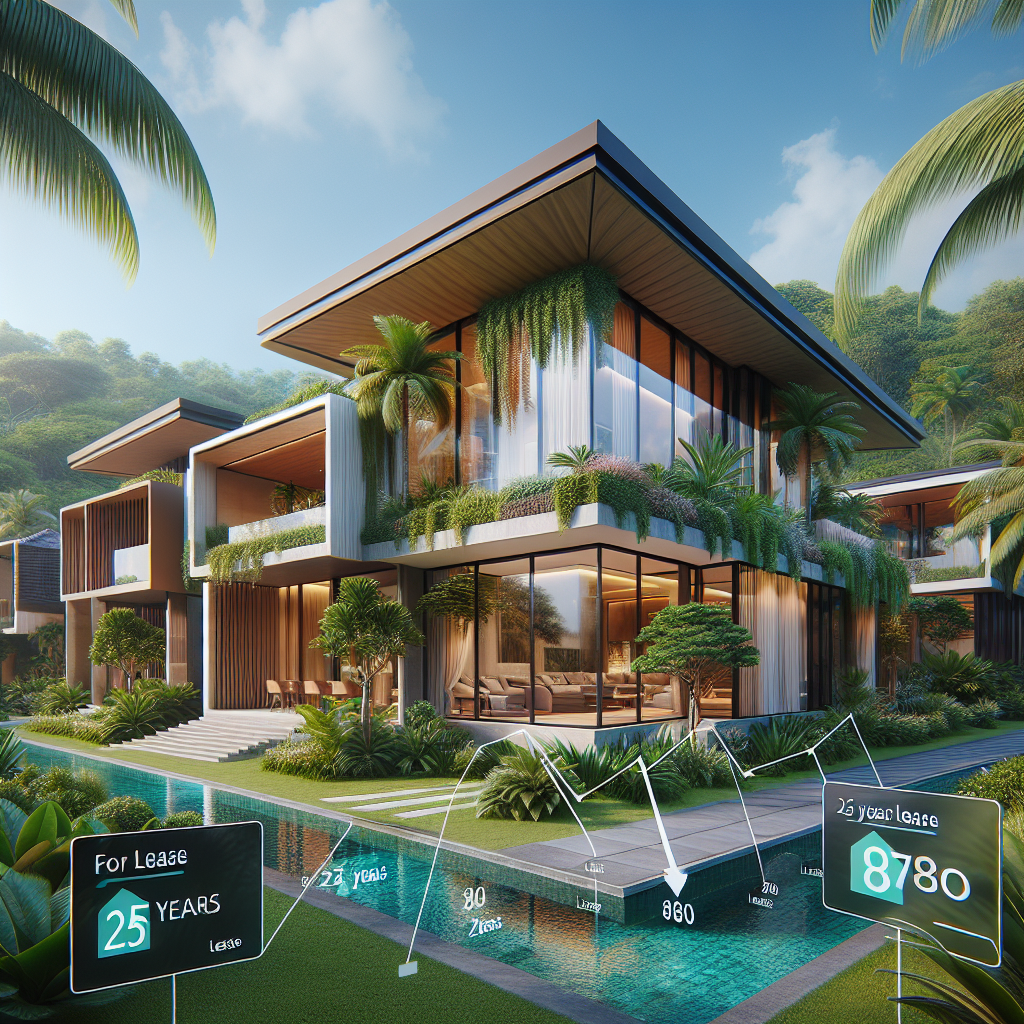
With new building permits no longer being issued, the supply of newly built properties — especially in the rental segment — is set to shrink significantly. This leads to two main consequences:
- Existing villas and hotels are increasing in value
- Land plots with approved PBG permits are becoming highly sought-after assets
2. Secondary Market Gains Momentum
Those planning to build from scratch will need to adapt. Without a PBG or the old IMB permit (valid before 2021), new development is not legally possible. As a result:
- Interest in secondary market properties will grow
- Prices of plots with valid construction permits could double
- Legal due diligence is essential: check land use, zoning, permit status, and overall compliance
3. Higher Barriers for Newcomers
Entering the market has become more difficult for new investors — especially in high-demand areas like Canggu, Berawa, and Seminyak, where very little land is available and properly zoned with valid permits. The market now demands more attention to detail and the support of experienced professionals.
🧭 What Investors Should Do During the Moratorium
Invest in Ongoing or Completed Projects
If a property is already under legal construction, the risks are minimal. These can be good opportunities for acquisitions via transfer of shares or investment into operational villas.
Buy Only with IMB or PBG
- Verify permit authenticity
- Check expiration dates and validity
- Confirm zoning designation (e.g., “pariwisata” zoning allows for rental)
Consider Renovation Instead of New Construction
The moratorium doesn’t apply to renovations where structures already exist. Many investors are now focusing on homes built between 2000–2010 — they are relatively affordable, legally compliant, but may require upgrades.
Stay Informed About Potential Exceptions
Minister Uno also mentioned the potential for exception-based permits for eco-friendly projects or developments supporting local communities. However, no official guidelines have yet been published. Stay updated through media and official channels (BaliProv.go.id).
⏳ How Long Will the Construction Moratorium Last?
The Indonesian government has not set a specific end date. Based on public statements, the restrictions will continue until the new tourism strategy and zoning framework are implemented.
Areas of focus for regulators during this period include:
- Separation of residential and tourism zoning
- Control over short-term rentals (e.g., Airbnb)
- Stricter environmental standards for waste management and wastewater treatment
❓ FREQUENTLY ASKED QUESTIONS (FAQ)
Can I build a villa if I already have a valid permit?
Yes. If you obtained an IMB or PBG permit before October 2024, your construction project is legally allowed to proceed.
What if I’ve bought land but don’t have a permit yet?
In that case, you cannot start construction at the moment. You’ll need to wait for the moratorium to be lifted and for the new zoning laws to come into effect before applying for a PBG.
When will the moratorium be lifted?
No official date has been announced. It's expected to end once the government's review of tourism policy is complete — tentatively between 2025 and 2026.
📌 Summary: Investor Takeaways
- 💰 Prices of built properties are expected to rise
- 📉 New construction for rental purposes is temporarily off the table
- 🛠️ Renovation and the secondary market are key opportunities
- 🧾 Permits are now critical assets — not just paperwork
Bali’s real estate market is entering a phase of transformation. This is not a signal to exit — but an opportunity for well-strategized investments. Partnering with local lawyers, agents, and architects is more essential than ever. Those who adapt will thrive.
Stay informed, take a long-term view, and make well-considered decisions.