New Capital Laws in Indonesia: What They Mean for Locals and Tourists

Relocation of Indonesia’s Capital to Nusantara: New Laws, Phases, and Implications for Locals and Tourists
Indonesia stands on the brink of one of the most transformative government initiatives in its modern history — the relocation of the capital from Jakarta to the new Nusantara Capital City, situated on the island of Kalimantan. This monumental move is underpinned by legislative reform, most notably Law No. 3/2022, which defines the legal framework and governance structure of the new capital.
But what do these changes mean in practice — for citizens, investors, and tourists alike? Here’s a detailed breakdown.
What Laws Govern the Move to Nusantara?
The primary legislative foundation is Law No. 3/2022 on the State Capital (UU Ibu Kota Negara), passed by the Indonesian parliament in 2022 and subsequently amended in October 2023 to reinforce Nusantara’s administrative model.
Key Provisions of Law No. 3/2022 and the 2023 Amendments
- The capital’s administration is directly accountable to the President of Indonesia, streamlining decision-making by bypassing local elections.
- Establishment of the Nusantara Capital Authority (Otorita IKN), a specially mandated body with broad powers to execute the capital’s strategic master plan.
- Creation of a specialized investment and legal regime, including tax incentives, simplified permitting processes, and guarantees for private sector participation.
As such, Nusantara is designated a special administrative zone under direct central government control. The city embodies principles of sustainable development and digital governance transformation.
Legal Status of Jakarta: Latest Update
As of late 2025, Jakarta still legally functions as the capital, though it is no longer the de facto seat of government. Full relocation of central government institutions is scheduled for completion by 2028. Until then, Jakarta continues to perform interim administrative duties.
When the transition is complete, Jakarta will be designated a Special Region (DKJ). Under a new draft law, it will operate as a distinct administrative unit focused on becoming a global financial, business, and cultural metropolis.
Capital Relocation Timeline: Status as of 2025
Construction of Nusantara began in 2022. As of December 2025:
- Key government buildings — ministries, IKN Authority offices, and the initial phase of the new presidential palace — have been completed (according to the IKN Authority).
- Major roadways, electricity, and water systems are operational.
- Several ministries and civil servants have started operating from Nusantara on a trial basis.
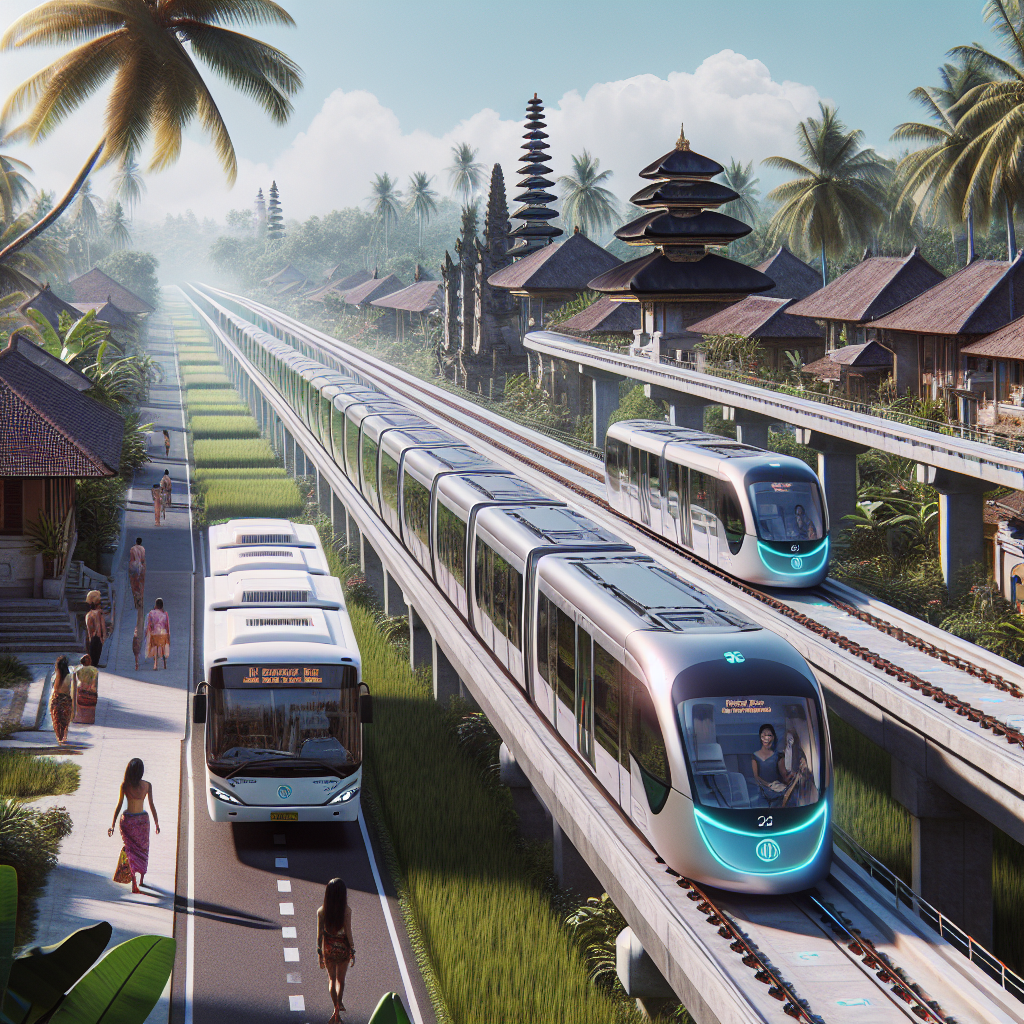
The formal inauguration of the central government in Nusantara is expected by 2028. The capital is designed as a “smart and green city” — with eco-friendly infrastructure, energy-efficient architecture, pedestrian-first design, and zero-emission transit systems.
Key milestones by year:
2022 — construction launch;
2023 — approval of new governance framework;
2024 — completion of first infrastructure phase;
2025 — initial relocation of ministries;
2026–2027 — large-scale migration of agencies and contractors;
2028 — targeted completion of full government move.
What Does This Mean for Residents of Jakarta and Kalimantan?
Jakarta: Redefining the City’s Role
For Jakarta’s 10+ million residents, the shift brings several major changes:
- Reduced administrative burden: as government offices relocate, resources free up and traffic may ease.
- Private sector ascendency: with priorities on business, finance, healthcare, education, and IT sectors.
- Less centralized dependency: the city evolves into a globally oriented metropolis instead of a purely administrative hub.
What Has Changed for Kalimantan Residents?
Communities near the new capital, especially in East Kalimantan province, are already experiencing the transformation:
- Spike in property demand: land prices in key zones have surged 30–50% since project launch, according to Otorita IKN.
- Thousands of new jobs in construction, healthcare, education, logistics, and public service.
- Infrastructure growth: development of a new airport, highways, logistics hubs, and expansion of 5G internet and telecom networks.
Challenges and Risks
Despite high hopes, rapid development poses challenges:
- Soaring housing and rental costs, putting pressure on low-income local families.
- Shortages in schools, healthcare workers, and hospitals — demand exceeds current capacity.
- Environmental risks: deforestation, water system disruption, and threats to protected habitats and biodiversity.
Conclusion: While the capital shift offers new opportunities, it also demands careful balancing between innovation, local interests, and environmental stewardship.
How Will the Capital Move Impact Tourists?
Nusantara as a Next-Generation Tourist Destination
Nusantara is envisioned not only as a governmental hub, but also as a modern attraction:
- Contemporary hotels, parks, public spaces, and museums are slated for completion by 2026.
- Development of eco-tourism zones protecting native ecosystems, including floating forests, tropical parks, and orangutan habitats.
- A future international airport near the capital will provide direct access for foreign visitors.
For both domestic and international travelers, Nusantara has the potential to become a leading destination for ecotourism, cultural showcases, and next-generation business events.
Jakarta — Still a Key Metropolis
The shift in administrative seat does not diminish Jakarta’s global relevance. It remains a primary destination for visitors:
- Soekarno-Hatta International Airport and the Port of Jakarta remain the largest in the country.
- Robust infrastructure in transport, hospitality, and cultural sectors.
- Continued hosting of world-class exhibitions, festivals, and conferences.
New travel corridors create synergy: tourists can begin in well-known Jakarta and continue on to explore rising Nusantara — for a cultural contrast and a glimpse into Indonesia’s future.
Conclusion: Capital Relocation as a Challenge and Opportunity
The relocation of Indonesia’s capital to Nusantara is far more than a geographic shift. It represents a systemic transition to a new era of governance, spatial planning, and national operations fit for the 21st century.
Key takeaways:
- The move of central government institutions will conclude by 2028, but the transformation is already well underway.
- Jakarta is not being sidelined, but redefined as a regional financial and cultural leader.
- Tourism and business stand to benefit from new destinations, experiences, and economic incentives.
- Nusantara is a testbed for Indonesia’s administrative maturity, sustainability goals, and technological ambition.
Stay tuned — the transition to a new capital is already shaping Indonesia’s future and setting a precedent for the region.