Is It Safe to Drink Boiled Tap Water in Indonesia?
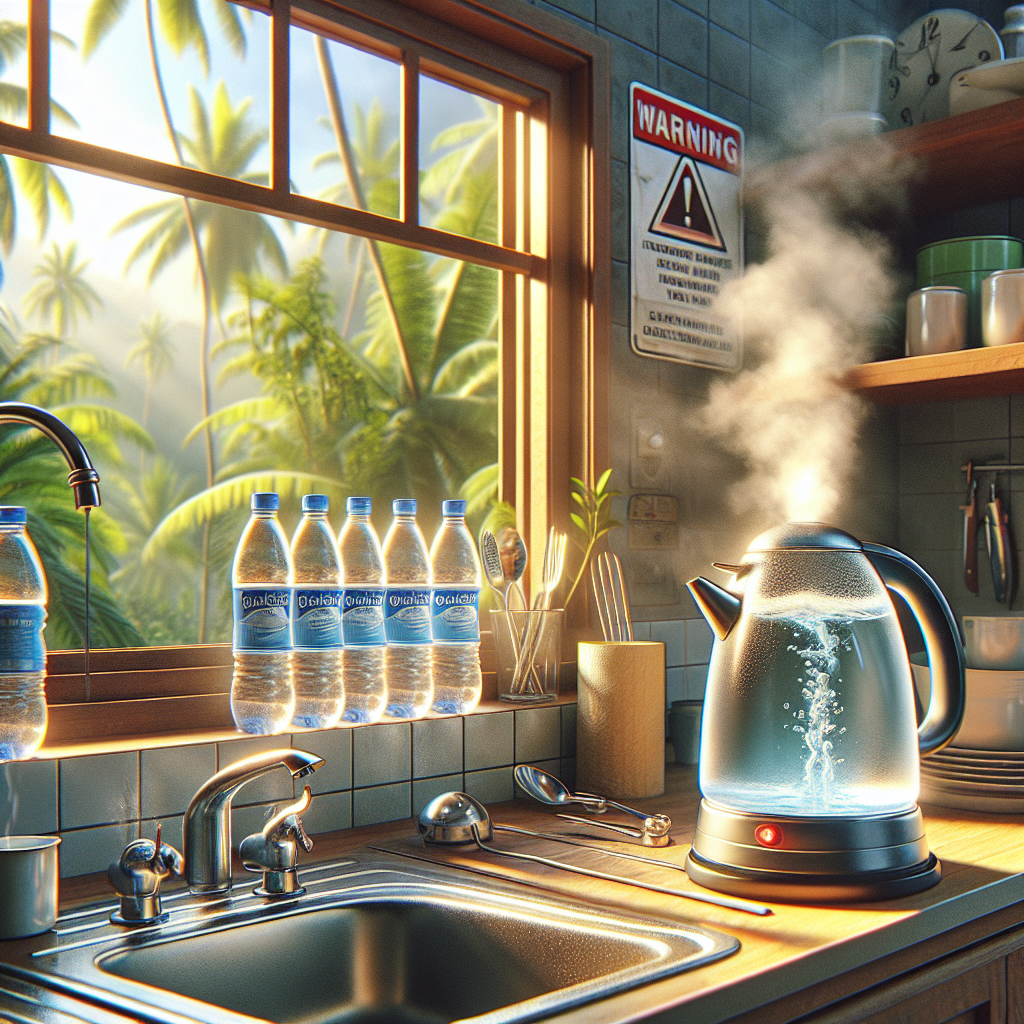
Is It Safe to Drink Boiled Tap Water in Indonesia?
When relocating to or staying long-term in Indonesia, the issue of drinking water safety becomes a top concern. Many wonder: can you simply boil tap water and use it safely without risking your health? The short answer — usually no. Below, we explain why boiling doesn’t make Indonesian tap water truly safe and what alternative options are preferred.
Tap Water Quality in Indonesia: Key Issues
In most regions of Indonesia, consuming tap water without prior treatment or alternative safety measures is strongly discouraged. Even in relatively developed areas such as Jakarta, Bali, or Surabaya, the water infrastructure often fails to meet modern sanitary standards. Main risks associated with tap water:
- Aging and deteriorated pipes, which are prone to leaks and contamination from soil and wastewater.
- Problematic water sources: supply often comes from rivers and surface water exposed to industrial and household waste.
- Insufficient treatment at water plants: water processing systems frequently fail to remove heavy metals, nitrates, pesticides, and pathogenic microorganisms. In some cases, treatment is limited to chlorination, which is ineffective against complex pollutants.
Even if the water appears clear and odorless, this does not guarantee it is safe to drink. Studies published by WHO and UNICEF indicate that over 60% of Indonesia’s population lacks reliable access to safe drinking water, especially outside major tourist and business zones.
What Does Boiling Water Actually Do?
Boiling is a widely used and accessible method of disinfection. Boiling water for one minute effectively kills most bacteria, viruses, and parasites, making it microbiologically safe. However, it’s important to understand the limitations of boiling:
- Heavy metals such as lead, arsenic, and mercury are not removed by heat and remain in the water.
- Organic and chemical pollutants — such as detergents, chlorinated pesticides, nitrates, and compounds of aluminum and manganese — also persist after boiling.
- Physical impurities, which cause cloudiness and unpleasant odors, are typically not eliminated by boiling alone. In fact, prolonged boiling may concentrate some contaminants.
Thus, boiling is only a partial solution, acceptable in emergency situations but not a replacement for proper water filtration.
Water Supply on Bali and in Other Tourist Areas
On Bali and in other popular tourist destinations, water supply is managed by local utilities but still falls short of international drinking water standards. In many areas, tap water is unsuitable for consumption even after boiling. Many expats and tourists report digestive issues, dry skin, and limescale buildup when using local water for everyday needs. This is not only due to chemical composition but also because of aging distribution systems that often leak and allow contamination from the external environment. This is especially true for private homes and small guesthouses connected to uncertified local systems.
Safe Alternatives for Daily Use
To avoid health risks, the following sources of water are recommended for drinking and cooking:
1. Bottled Water
The most accessible and reliable option. In Indonesia, a variety of brands offer large and small bottles:
- Aqua (owned by Danone),
- Cleo,
- Pristine,
- Nestlé Pure Life.
Prices range from 5,000 to 7,000 IDR per liter (USD 0.30–0.50).
2. Gallon Water Delivery
Local services deliver 19-liter jugs of filtered water to homes and offices. This is a sustainable and convenient long-term solution. The cost per jug ranges from 18,000 to 35,000 IDR (USD 1.10–2.20).
3. Stationary Filtration Systems
Multi-stage filtration systems using activated carbon, ceramic filters or reverse osmosis. These systems remove most chemical and physical contaminants — especially when combined with UV sterilization. Although upfront costs are higher, such systems pay off with regular use over time.
When Boiling Is Acceptable—With Conditions
In certain emergency situations when no other water source is available, boiling may be used as a temporary measure — for instance, after pre-filtration or when using water from a known safe source (e.g., an artesian well). It is acceptable to use pre-treated and then boiled water:
- for brushing teeth,
- for cooking (with heat treatment),
- for drinking — only in emergencies or short-term use.
Still, it’s important to understand: without a reliable filter, boiling alone is not enough to protect against harmful substances.
Frequently Asked Questions (FAQ)
Can I wash fruits and vegetables with tap water?
It is recommended to use bottled or at least filtered water for washing food, especially if it will be consumed raw.
Is a pitcher filter a good solution?
Pitcher filters slightly improve taste and remove chlorine, but they do not handle heavy metals or complex chemicals. They should be used only in combination with boiling, and only if the original water source is relatively clean.
Can I use local water to make tea or coffee?
Only if the water has been filtered beforehand. Boiling alone does not remove harmful contaminants. Using low-quality water for beverages can lead to long-term accumulation of substances in the body.
Is Boiled Tap Water Safe to Drink in Indonesia: Final Thoughts and Recommendations
Boiling makes tap water in Indonesia less dangerous microbiologically, but it does not eliminate chemical, heavy metal, or organic contaminants. This means that even after boiling, such water is generally not suitable for drinking. Recommended approach:
- For daily consumption — use bottled or delivered purified water.
- For long-term living — install a home filtration system with multi-stage purification.
- Consider boiling only as a temporary or supplementary measure, not as the primary method of water treatment.
Ensuring water quality is not just a formality — it’s a key part of safeguarding your health while living in Indonesia.